Posted on

New Year Fitness Challenge: How to Kickstart Your Taekwondo Journey

The New Year is the perfect time to set goals for a healthier and more active lifestyle. For parents, these resolutions often include finding ways to instill fitness habits in their children. One excellent option is Taekwondo, a martial art that combines physical fitness, discipline, and mental growth. Whether you’re new to martial arts or looking for a family activity, Taekwondo offers a unique and enriching experience for all ages.


Understanding Taekwondo

Taekwondo is a Korean martial art known for its high kicks, rapid movements, and dynamic techniques. Beyond the physical, it emphasizes values like respect, discipline, and self-control, making it a holistic activity that supports physical, emotional, and mental well-being. These characteristics make it an ideal pursuit for parents and children alike.


Benefits of Taekwondo for Kids

Engaging in Taekwondo provides children with a range of benefits that go far beyond physical fitness:

1. Physical Fitness

Taekwondo improves strength, flexibility, coordination, and cardiovascular health. For kids, the dynamic movements make exercise enjoyable, helping them stay active while burning energy.

2. Discipline and Respect

Through structured lessons and clear expectations, children learn self-discipline, respect for instructors, peers, and themselves. These lessons often translate into improved behavior at home and school.

3. Self-Defense Skills

While Taekwondo emphasizes discipline and respect over aggression, it equips children with practical self-defense techniques, boosting their confidence in handling difficult situations.

4. Goal Setting and Achievement

The belt ranking system teaches children the value of perseverance and steady effort. Each new belt represents a milestone, encouraging a sense of accomplishment.

5. Confidence and Self-Esteem

Mastering new skills and progressing through ranks fosters self-confidence and pride in their abilities.

6. Social Skills

Taekwondo classes provide a structured environment for children to interact, build friendships, and practice teamwork.


Benefits of Taekwondo for Parents

Taekwondo isn’t just for kids; it offers immense value for parents too. Participating alongside your child can:

  • Improve Physical Fitness: Taekwondo is a full-body workout that enhances strength, flexibility, and endurance.
  • Relieve Stress: The focus and discipline involved in Taekwondo provide a mental break from daily responsibilities.
  • Strengthen Family Bonds: Training together creates shared goals and experiences, fostering deeper connections.
  • Model Healthy Habits: Demonstrating commitment to fitness and learning encourages children to adopt similar values.

Starting Your Taekwondo Journey

Here’s how to get started on your Taekwondo journey with your family:

1. Research and Choose a School

Finding the right dojang (Taekwondo school) is key to a positive experience. Consider these tips:

  • Visit Schools: Tour multiple schools to compare environments and teaching styles.
  • Check Credentials: Ensure the instructors are certified and experienced in teaching both children and adults.
  • Observe a Class: Watching a session can help you gauge whether the teaching methods and atmosphere suit your family.
  • Ask About Values: Inquire about the school’s focus—whether it prioritizes personal growth, competition, or self-defense.

2. Prepare for Classes

Preparation can ease the transition into Taekwondo training:

  • Set Goals Together: Discuss what you and your child hope to achieve, such as improved fitness or advancing through belt levels.
  • Choose Comfortable Gear: Most schools require a dobok (uniform), but initially, comfortable athletic clothing may suffice.
  • Encourage a Positive Mindset: Emphasize the importance of having fun and being open to learning.

3. Make It a Family Affair

Consider participating in Taekwondo classes as a family. Many schools offer parent-child sessions, which provide an excellent opportunity to bond while learning and growing together.


Overcoming Challenges

Starting a new activity can come with hurdles. Here’s how to address common challenges:

1. Time Commitment

Balancing Taekwondo classes with other responsibilities can be tricky. Look for schools with flexible schedules or family classes to maximize your time.

2. Initial Hesitation

It’s normal for kids to feel uncertain about trying something new. Encourage them by attending their first class and celebrating small achievements.

3. Financial Considerations

Discuss costs with the school, including tuition, uniforms, and equipment. Some schools offer family discounts or payment plans.


Staying Motivated

Consistency is the key to success in Taekwondo. Here’s how to stay motivated:

  • Celebrate Progress: Acknowledge milestones like earning a new belt or mastering a technique.
  • Set Challenges: Create small, achievable goals to maintain focus and enthusiasm.
  • Participate in Events: Join school tournaments or community demonstrations to foster a sense of achievement and belonging.

Conclusion

Starting Taekwondo as part of a New Year fitness challenge is an excellent way for parents and kids to embrace health, discipline, and personal growth together. Whether you’re looking to improve physical fitness, teach valuable life lessons, or simply spend quality time as a family, Taekwondo offers a unique and rewarding experience. Step onto the mat, set your goals, and begin your journey to a healthier, more connected family in the year ahead.


Written by AI & Reviewed by Clinical Psychologist and Head Coach: Yoendry Torres, Psy.D.

Disclaimer: Please note that some blog posts may contain affiliate links, and TKD Wellness will earn a commission if you purchase through those links at no additional cost to you. We use all of the products listed and recommend them because they are companies or products that I have found helpful and trustworthy. Our website is supported by our users.
Posted on

How to Choose the Right Martial Arts School for Your Child

Selecting the perfect martial arts school for your child is an essential decision that can influence their physical, mental, and emotional growth. Martial arts provide numerous benefits, including better fitness, enhanced discipline, increased confidence, and valuable self-defense skills. However, with so many martial arts styles and schools available, the process of choosing the right one can feel overwhelming. This guide offers actionable tips to help you make the best choice for your child’s unique needs and interests.


Understanding Different Martial Arts Styles

The first step in choosing the right martial arts school is understanding the different styles available. Each discipline offers unique benefits and focuses on distinct techniques.

  • Karate: Emphasizes striking techniques such as punches, kicks, and open-hand strikes. It promotes discipline, focus, and perseverance.
  • Taekwondo: Known for its powerful, high-flying kicks, Taekwondo also emphasizes agility and flexibility, making it an excellent choice for children who enjoy dynamic movement.
  • Judo: Focuses on throws, grappling, and balance. It’s great for kids who are interested in hands-on techniques and improving coordination.
  • Brazilian Jiu-Jitsu (BJJ): Specializes in ground fighting and submission holds, teaching leverage and strategic problem-solving.
  • Kung Fu: Combines a variety of styles, often inspired by animal movements. It incorporates philosophical teachings and promotes physical fitness.
  • Aikido: Centers on redirecting an opponent’s energy, with an emphasis on harmony and peaceful conflict resolution.
  • Mixed Martial Arts (MMA): Offers a blend of techniques from various martial arts, focusing on a well-rounded skill set. Its rigorous training appeals to older children or those looking for versatility.

Assessing Your Child’s Needs and Interests

Understanding what your child needs and what they find enjoyable will help you narrow down your choices.

1. Consider Their Interests

  • Take your child to observe classes in different styles and note which one excites them the most.
  • Some children may be drawn to fast-paced movements like Taekwondo, while others might enjoy the strategic elements of Judo or BJJ.

2. Match to Their Personality

  • Structured styles like Karate or Taekwondo are excellent for kids who thrive on discipline and clear expectations.
  • Creative and fluid styles like Kung Fu may suit children who enjoy variety and self-expression.

3. Physical and Emotional Development

  • Identify areas where your child could grow, such as improving coordination, building confidence, or managing emotions.
  • Choose a martial art that addresses these developmental goals.

Researching and Evaluating Schools

Once you’ve chosen a martial arts style, the next step is finding the right school or dojo.

1. Qualified Instructors

  • Ensure the instructors are certified and experienced in working with children.
  • Observe their teaching style—look for positive reinforcement, clear communication, and a focus on safety.

2. School Environment

  • Visit the school to assess its atmosphere. It should be clean, welcoming, and inclusive.
  • The school’s philosophy should emphasize respect, growth, and safety over aggression or competition.

3. Class Structure and Size

  • Smaller class sizes allow for personalized attention, which is especially beneficial for beginners.
  • Inquire about how the classes are structured—are there separate sessions for different age groups and skill levels?

4. Reputation

  • Ask other parents for recommendations and read online reviews.
  • A reputable school will have a history of satisfied students and parents.

Practical Considerations

Beyond the style and school quality, practical factors will influence your decision.

1. Location and Schedule

  • Choose a school that’s conveniently located and has class times that fit your family’s routine. Consistency is key to your child’s success.

2. Costs

  • Understand all potential costs, including tuition, uniforms, testing fees, and equipment.
  • Confirm if the school offers family discounts or trial classes to ease the financial commitment.

3. Trial Classes

  • Many schools allow prospective students to try a class before committing. Use this opportunity to gauge your child’s interest and the fit of the program.

Encouraging Long-Term Engagement

Finding the right school is just the beginning. To ensure your child enjoys a rewarding martial arts experience:

  • Set Goals: Work with your child and their instructor to establish achievable goals, such as mastering a specific technique or earning a belt promotion.
  • Celebrate Milestones: Recognize and celebrate their achievements to keep them motivated.
  • Stay Involved: Attend classes, tournaments, and events to show your support and encourage their growth.

Choosing the right martial arts school is a significant step in fostering your child’s personal growth, discipline, and confidence. By understanding their needs, evaluating options carefully, and staying involved, you can provide them with an enriching and enjoyable experience.


Written by AI & Reviewed by Clinical Psychologist and Head Coach: Yoendry Torres, Psy.D.
Disclaimer: Some blog posts may contain affiliate links, and TKD Wellness will earn a commission if you purchase through those links at no additional cost to you. We recommend products and services that we trust and have found helpful. Thank you for supporting our website!

Posted on

The History of Taekwondo: How It Became a Global Martial Art

As parents, you’re always on the lookout for activities that not only keep your children physically active but also instill values like discipline, respect, and confidence. Taekwondo, a Korean martial art celebrated for its high-flying kicks and philosophical teachings, is an excellent choice. But how did Taekwondo evolve from its ancient roots in Korea to become a global martial arts phenomenon embraced by millions of practitioners? Let’s journey through the fascinating history of Taekwondo and uncover what makes it such a compelling martial art for children and families alike.


Ancient Beginnings: The Origins of Taekwondo

Taekwondo’s roots can be traced back over 2,000 years to the Three Kingdoms period of Korea (57 BC to 668 AD). During this time, martial arts played an integral role in Korean society, particularly among warriors tasked with protecting their territories.

Early Korean Martial Arts

The earliest depictions of Korean martial arts appear in murals from the Goguryeo tombs. These illustrations showcase unarmed combat techniques that laid the groundwork for what would eventually become Taekwondo. Warriors from the Goguryeo, Baekje, and Silla kingdoms practiced these martial arts as part of their military training.

The Role of Subak and Taekkyon

Two indigenous Korean martial arts, Subak and Taekkyon, significantly influenced Taekwondo’s development:

  • Subak focused on hand strikes and grappling techniques.
  • Taekkyon emphasized fluid, dance-like movements and powerful kicks—hallmarks of modern Taekwondo.

These martial arts were more than just physical disciplines; they instilled core values such as loyalty, honor, and courage, particularly among the elite Hwarang warriors of the Silla Dynasty.


From Suppression to Revival: The Birth of Modern Taekwondo

The Japanese Occupation

The trajectory of Korean martial arts was disrupted during Japan’s occupation of Korea (1910–1945). The practice of traditional martial arts was banned, forcing many practitioners to continue their training in secret. Despite this adversity, the passion for preserving Korea’s martial heritage endured.

Post-Liberation Resurgence

With Korea’s liberation in 1945, martial arts experienced a resurgence, fueled by a renewed sense of national identity. Numerous martial arts schools, known as Kwans, emerged. Each Kwan had its own unique approach, blending traditional Korean techniques with influences from other martial arts, such as Japanese Karate.

Unifying the Martial Art

In 1955, Korean martial artists sought to unify these diverse styles under a single discipline. After much deliberation, the name “Taekwondo” was adopted, meaning “the way of the foot and hand.” This name captured the martial art’s emphasis on kicking and striking, as well as its philosophical underpinnings.


The Global Journey of Taekwondo

Taekwondo’s transformation from a national martial art to a global phenomenon began in the late 20th century, driven by Korea’s efforts to promote its cultural heritage worldwide.

The Establishment of World Taekwondo

In 1973, the World Taekwondo Federation (now World Taekwondo, WT) was founded to oversee the standardization and international promotion of Taekwondo. That same year, the first World Taekwondo Championships were held in Seoul, drawing practitioners from around the globe.

Spreading Across Borders

Korean Taekwondo masters played a pivotal role in spreading the art internationally. They established dojangs (training schools) in countries worldwide, introducing students to Taekwondo’s dynamic techniques and guiding philosophies.


Taekwondo as an Olympic Sport

The Road to the Olympics

Taekwondo’s inclusion in global sports events elevated its status. It made its Olympic debut as a demonstration sport at the 1988 Seoul Games, a pivotal moment that showcased its cultural and athletic significance. By the 2000 Sydney Olympics, Taekwondo had earned full medal status, solidifying its place as a premier global sport.

Inspiring Future Generations

Today, Taekwondo is practiced in over 200 countries, with millions of participants benefiting from its physical, mental, and emotional teachings. Its presence in the Olympics inspires young practitioners to dream big, blending athletic ambition with the martial art’s timeless values.


Why Taekwondo Remains Relevant Today

The enduring appeal of Taekwondo lies in its ability to blend tradition with modernity. For children, it offers more than just physical activity—it provides:

  • Self-Discipline: Through structured training and respect for instructors.
  • Confidence: By setting and achieving goals, such as progressing through belt ranks.
  • Physical Fitness: Improving strength, flexibility, and coordination.
  • Cultural Appreciation: Connecting children to a global community with deep historical roots.

Taekwondo’s journey from ancient Korean battlefields to international prominence is a testament to its adaptability and universal appeal. By enrolling your child in Taekwondo, you’re not just signing them up for a sport—you’re introducing them to a rich tradition of personal growth, cultural respect, and life-long learning.


Written by AI & Reviewed by Clinical Psychologist and Head Coach: Yoendry Torres, Psy.D.
Disclaimer: Some blog posts may contain affiliate links, and TKD Wellness will earn a commission if you purchase through those links at no additional cost to you. We recommend products and services that we trust and have found helpful. Thank you for supporting our website!

Posted on

Preparing for Your Black Belt Test: A Comprehensive Guide

Earning your black belt is a monumental achievement in Taekwondo—a culmination of years of dedication, discipline, and hard work. As the test date approaches, it’s natural to feel a mix of excitement and nerves. To ensure you’re ready to perform your best, preparation must encompass not only physical training but also mental fortitude, proper recovery, and self-care. This comprehensive guide will walk you through key strategies to prepare for your black belt test, emphasizing the importance of both active rest and sleep as part of the process.


Understanding the Journey to Black Belt

The black belt symbolizes mastery, perseverance, and the embodiment of Taekwondo’s core principles—courtesy, integrity, perseverance, self-control, and indomitable spirit. Achieving this milestone requires more than technical skill; it demands physical endurance, mental focus, and a deep understanding of Taekwondo philosophy.

With only a week to go, your primary focus should be refining your technique, solidifying your mental resilience, and optimizing your physical condition. Let’s break this preparation into actionable steps.


Physical Preparation: Perfecting Your Technique

The physical aspect of your black belt test will likely include patterns (poomsae), sparring, breaking techniques, and conditioning drills. Here’s how to ensure you’re physically ready:

1. Refine Your Poomsae

  • Precision and Flow: Practice your patterns daily with attention to precision and flow. Each movement should demonstrate power, balance, and control.
  • Mindful Repetition: Perform each poomsae slowly and deliberately before transitioning to full speed. This helps reinforce proper technique and muscle memory.
  • Visualize Performance: Mentally rehearse each pattern, visualizing yourself executing each movement flawlessly.

2. Sparring Preparation

  • Focus on Strategy: Review sparring tactics that align with your strengths. Think about how to apply your favorite techniques effectively.
  • Drill Combinations: Practice combinations that showcase your skill and versatility. Work on executing kicks, punches, and counters seamlessly.
  • Partner Work: If possible, spar with a partner to simulate test conditions. Pay attention to maintaining control and focus under pressure.

3. Breaking Techniques

  • Practice Power and Accuracy: Breaking requires precision and confidence. Focus on executing your breaking techniques with full commitment.
  • Condition Your Striking Points: Safely condition your hands and feet by practicing strikes on padded targets. This builds confidence in your ability to deliver powerful, accurate breaks.

4. General Conditioning

  • Maintain Strength and Endurance: Continue light strength training and cardio exercises to stay in peak physical condition. Avoid overexertion to prevent fatigue or injury.
  • Stretch Daily: Flexibility is critical in Taekwondo. Dedicate time to dynamic and static stretching to maintain and enhance your range of motion.

Mental Preparation: Cultivating Focus and Resilience

The black belt test is as much a mental challenge as a physical one. Mental preparation can make the difference between a good performance and a great one.

1. Build Confidence

  • Reflect on Your Journey: Think about how far you’ve come since you began your Taekwondo training. This reflection can help boost your confidence and remind you of your capabilities.
  • Focus on Strengths: While addressing weak points is important, dwelling on them can create unnecessary anxiety. Highlight your strengths and plan how to showcase them during the test.

2. Visualization

  • Imagine Success: Visualization is a powerful tool. Picture yourself performing every part of the test with excellence, from bowing into the dojang to executing your final move.
  • Rehearse Mentally: Close your eyes and run through each segment of the test in your mind. Include every detail, from the feel of the mat beneath your feet to the sound of your kihap.

3. Practice Mindfulness

  • Stay Present: Anxiety often stems from worrying about outcomes. Practice mindfulness to stay grounded in the present moment.
  • Deep Breathing: Incorporate breathing exercises into your daily routine to calm your nerves and enhance focus.

4. Set Realistic Expectations

  • Embrace Imperfection: Remember, no one is perfect. Strive for excellence, but don’t let fear of mistakes overshadow your performance.
  • Control What You Can: Focus on what’s within your control—your preparation, effort, and mindset.

The Role of Active Rest

The week leading up to your black belt test is not the time to overtrain. Active rest allows your body to recover while keeping your skills sharp.

1. Light Practice

  • Shorter Sessions: Limit practice sessions to 30-45 minutes to avoid overexertion.
  • Focus on Quality: Prioritize the quality of your movements over the quantity of repetitions.

2. Low-Impact Activities

  • Walk or Stretch: Engage in activities like walking, yoga, or gentle stretching to maintain mobility and reduce muscle tension.
  • Hydrate and Nourish: Drink plenty of water and eat balanced meals to fuel your body for peak performance.

3. Listen to Your Body

  • Recognize Fatigue: If you feel tired, take a day off from training. Resting now will serve you better than risking burnout or injury.
  • Recover Actively: Use foam rolling or light massages to ease muscle tightness and enhance recovery.

The Importance of Sleep

Adequate sleep is one of the most overlooked aspects of preparation. Sleep is critical for memory consolidation, muscle recovery, and emotional regulation.

1. Prioritize Restful Sleep

  • Aim for 7-9 Hours: Ensure you’re getting at least 7-9 hours of quality sleep each night in the week leading up to your test.
  • Establish a Routine: Go to bed and wake up at the same time every day to regulate your body’s internal clock.

2. Create a Relaxing Environment

  • Minimize Distractions: Keep your bedroom dark, quiet, and cool to create an ideal sleep environment.
  • Avoid Stimulants: Reduce caffeine intake in the afternoon and limit screen time before bed.

3. Use Relaxation Techniques

  • Meditate Before Bed: Practice a brief meditation or deep breathing exercise to calm your mind and prepare for restful sleep.
  • Journal: If you’re feeling anxious, jot down your thoughts in a journal. This can help clear your mind before bedtime.

The Night Before Your Test

The night before your test is crucial for setting the tone for success. Here’s how to prepare:

  • Pack Your Bag: Ensure your uniform is clean and ready, and pack any necessary gear or water bottles.
  • Eat a Balanced Dinner: Opt for a light, nutrient-rich meal to avoid feeling sluggish the next day.
  • Visualize Success: Spend a few minutes imagining yourself performing confidently and calmly.
  • Relax: Do something enjoyable, like reading a book or spending time with loved ones, to ease pre-test jitters.

Test Day: Putting It All Together

The day has finally arrived! Follow these tips to ensure a smooth and successful test:

  • Arrive Early: Give yourself plenty of time to warm up and mentally prepare.
  • Stay Hydrated: Drink water throughout the day to stay energized.
  • Trust Your Training: You’ve put in the hard work—trust in your abilities and focus on doing your best.
  • Breathe and Smile: Remember to breathe deeply and enjoy the moment. This is a celebration of your Taekwondo journey.

Final Thoughts

Preparing for your black belt test is an incredible milestone that requires a holistic approach. By refining your physical skills, strengthening your mental resilience, prioritizing active rest, and getting adequate sleep, you’ll set yourself up for success. Remember, the black belt is more than just a rank—it’s a reflection of your dedication, growth, and indomitable spirit.

Good luck on your journey to black belt—this is your time to shine!


Written by AI & Reviewed by Clinical Psychologist and Head Coach: Yoendry Torres, Psy.D.
Disclaimer:
Some blog posts may contain affiliate links, and TKD Wellness will earn a commission if you purchase through those links at no additional cost to you. We recommend products and services that we trust and have found helpful. Thank you for supporting our website!

Posted on

Top 10 Martial Arts Gift Ideas for the Holiday Season

As the holiday season approaches, finding the perfect gift for your martial arts enthusiast can be a fun and meaningful experience. Whether your child is new to the discipline or a seasoned practitioner, the right gift can support their passion and enhance their martial arts journey. From essential gear to motivational items, here’s a comprehensive guide to the top 10 martial arts gift ideas for kids this holiday season.


1. Quality Martial Arts Uniform (Gi, Dobok, or Suit)

A well-made martial arts uniform is essential for training and competitions. Depending on the discipline your child practices—karate, taekwondo, judo, or Brazilian jiu-jitsu—a durable, comfortable, and properly fitting uniform enhances their performance and confidence.

Features to Look For:

  • Reinforced stitching for durability
  • Breathable materials like cotton or polyester blends
  • Adjustable waistband to accommodate growth

A uniform that fits well and feels comfortable will make training sessions more enjoyable and productive.


2. Protective Gear Set

Safety is paramount in martial arts, especially during sparring or intense training sessions. A protective gear set ensures that your child stays safe while building confidence and skill.

Essential Items:

  • Headgear
  • Gloves
  • Shin guards
  • Mouthguards

Key Considerations:

  • Ensure a snug fit for comfort and maximum protection
  • Look for high-impact foam padding
  • Adjustable straps for easy customization

3. Home Training Equipment

For days when your child can’t make it to the dojo, home training equipment is a great way to keep them active and practicing their skills.

Popular Options:

  • Punching Bags: For practicing strikes and building strength
  • Focus Mitts: To improve accuracy and coordination
  • Resistance Bands: For enhancing flexibility and strength

Ensure the equipment suits the available space at home and prioritize safety during use.


4. Martial Arts-Themed Books

Books can inspire and educate your child about the philosophy, history, and techniques of martial arts. They’re a great way to nurture your child’s interest beyond physical training.

Recommended Reads:

  • “The Way of the Warrior Kid” series by Jocko Willink
  • “Karate Kids: A Beginner’s Guide to Martial Arts”
  • “The Martial Artist’s Mindset” (age-appropriate editions)

Books with colorful illustrations and relatable characters can keep young readers engaged while learning valuable life lessons.


5. Custom Martial Arts Gear Bag

A personalized gear bag makes transporting uniforms, belts, and protective gear organized and fun. Adding a name or favorite martial arts symbol makes it extra special.

Features to Look For:

  • Multiple compartments for easy organization
  • Ventilated sections for sweaty gear
  • Durable straps and reinforced bottoms

6. Belt Display Rack

Celebrate your child’s achievements with a belt display rack. It’s a great way to showcase their progress and motivate them to continue working toward their goals.

Features to Consider:

  • Wall-mounted or free-standing designs
  • Space for multiple belts
  • High-quality materials and craftsmanship

Displaying earned belts can be a constant reminder of hard work and dedication.


7. Martial Arts Workshops or Online Classes

Experiential gifts can be highly impactful. Enroll your child in a special workshop or online class where they can learn new techniques, connect with peers, and deepen their skills.

Options to Explore:

  • Specialized holiday workshops or seminars
  • Virtual training sessions with expert instructors
  • Classes focused on specific techniques or weapons

This is an excellent opportunity for your child to learn from professionals and explore areas of interest within martial arts.


8. Martial Arts-Themed Apparel

Fun and practical, martial arts-themed clothing lets your child express their passion even outside the dojo. Look for stylish and functional items they’ll love to wear.

Gift Ideas:

  • T-shirts with inspiring martial arts slogans
  • Hoodies featuring martial arts symbols or logos
  • Socks or hats with martial arts-themed designs

9. Martial Arts-Themed Toys and Games

For younger martial arts enthusiasts, toys and games can make training feel like playtime.

Popular Choices:

  • Martial arts action figures
  • Board games with martial arts themes
  • Foam nunchucks or padded swords for safe practice

These gifts combine fun and skill development, encouraging creative play and imagination.


10. Motivational Posters or Wall Art

Decorate your child’s room with inspirational martial arts quotes or artwork that reflect the values of perseverance, discipline, and respect.

Examples:

  • Posters featuring martial arts legends like Bruce Lee
  • Quotes such as, “A black belt is a white belt who never quit”
  • Artistic depictions of martial arts movements or symbols

Wall art serves as a daily reminder of their goals and accomplishments, keeping them motivated.


Conclusion

This holiday season, let your gifts reflect your child’s love for martial arts while supporting their journey toward growth and success. Whether it’s a durable uniform, engaging books, or a workshop with expert instructors, these thoughtful gifts will make the season memorable and meaningful.

Encourage your child to embrace the spirit of martial arts—discipline, perseverance, and respect—and watch them thrive in their training and beyond. Happy holidays!


Written by AI & Reviewed by Clinical Psychologist and Head Coach: Yoendry Torres, Psy.D.

Disclaimer: Please note that some blog posts may contain affiliate links, and TKD Wellness will earn a commission if you purchase through those links at no additional cost to you. We use all of the products listed and recommend them because they are companies or products that I have found helpful and trustworthy. Our website is supported by our users.
Posted on

Gratitude and Discipline: What Taekwondo Teaches Us During Thanksgiving

As Thanksgiving approaches, the aroma of pumpkin pies and the warmth of family gatherings remind us to pause and reflect on gratitude. But beyond the festive meals and shared memories, Thanksgiving offers an opportunity to embrace deeper values that can enrich our lives year-round—gratitude and discipline. For families engaged in Taekwondo, these concepts resonate deeply, woven into the very fabric of this martial art.

This Thanksgiving, let’s explore how Taekwondo instills gratitude and discipline, offering invaluable lessons for children and adults alike.


Taekwondo: Beyond Physical Training

Taekwondo, a traditional Korean martial art, is celebrated not only for its dynamic kicks and self-defense techniques but also for its emphasis on character development. At its core, Taekwondo is a way of life, teaching practitioners to balance physical, mental, and emotional well-being. Its tenets—courtesy, integrity, perseverance, self-control, and indomitable spirit—align seamlessly with the principles of Thanksgiving, particularly gratitude and discipline.


How Taekwondo Instills Discipline

Discipline is a cornerstone of Taekwondo, shaping practitioners into focused, respectful, and resilient individuals. Here’s how this martial art nurtures discipline:

1. Structured Learning and Respect

Every Taekwondo class begins and ends with a bow, a gesture of respect for the instructor, the art, and fellow practitioners. This ritual sets the tone for a structured environment where students learn to listen attentively, follow instructions, and adhere to rules. Parents often notice these behaviors extending into their children’s home and school lives, fostering a culture of discipline.

2. Setting and Achieving Goals

The progression through Taekwondo’s belt system offers a clear, goal-oriented structure. Achieving each belt requires commitment, regular practice, and perseverance. This teaches children to work hard, celebrate small victories, and stay disciplined, even in the face of challenges.

3. Physical and Mental Endurance

From perfecting forms (poomsae) to enduring sparring matches, Taekwondo demands both physical effort and mental focus. Students learn to manage their energy, stay composed, and push through fatigue—a lesson that translates to academic, social, and personal challenges.

4. Respectful Behavior

Respect for others is a core value in Taekwondo. Students are taught to value their peers’ efforts, follow their instructors’ guidance, and treat the dojo (training hall) with reverence. This respect fosters a disciplined mindset that extends beyond martial arts training.


Cultivating Gratitude Through Taekwondo

While discipline is often associated with Taekwondo, the practice also quietly nurtures gratitude—a powerful, transformative mindset.

1. Celebrating Growth

Each belt earned in Taekwondo symbolizes more than technical progress; it represents personal growth. Through reflection on their journey, students learn to appreciate their efforts and the support they’ve received along the way.

2. Fostering Community

Taekwondo is more than an individual pursuit—it’s a collective experience. Students train together, celebrate each other’s successes, and lend encouragement during tough times. This shared camaraderie fosters gratitude for the friendships and support systems that grow within the dojo.

3. Mindfulness Practices

Mindfulness is an integral part of Taekwondo, embedded in meditation and breathing exercises. These moments of reflection teach students to be present and appreciative, cultivating gratitude for their experiences and surroundings.

4. Cultural Appreciation

Taekwondo connects students to its rich Korean heritage, offering a glimpse into the traditions and values of another culture. This deepens their understanding of global perspectives and instills gratitude for diversity and history.


Thanksgiving and Taekwondo: A Perfect Match

Thanksgiving provides a meaningful opportunity to reflect on how Taekwondo’s lessons in gratitude and discipline shape our lives:

  • Expressing Gratitude Together: Families can share what they’re thankful for during a Taekwondo class or family practice session, highlighting the impact of their training on personal growth and relationships.
  • Celebrating Achievements: Use Thanksgiving as a time to recognize milestones in Taekwondo, such as belt promotions or overcoming a challenging technique.
  • Practicing Gratitude in Action: Encourage your child to express gratitude to their instructors, peers, and family for their support on their Taekwondo journey.

Gratitude and Discipline: A Family Affair

Taekwondo is not just an individual pursuit—it’s a family-oriented journey. Parents can lead by example, practicing discipline and gratitude alongside their children. Whether it’s through participating in family classes or supporting their child’s practice at home, Taekwondo offers families a shared path toward growth and connection.


Closing Reflection

As we gather around Thanksgiving tables this year, let’s remember that gratitude and discipline are lifelong practices, not just seasonal reflections. Through Taekwondo, children and families alike can embrace these values, creating a ripple effect that extends far beyond the dojo.


Written by AI & Reviewed by Clinical Psychologist and Head Coach: Yoendry Torres, Psy.D.
Disclaimer: Please note that some blog posts may contain affiliate links, and TKD Wellness will earn a commission if you purchase through those links at no additional cost to you. We use all of the products listed and recommend them because they are companies or products that I have found helpful and trustworthy. Our website is supported by our users.

Posted on

The Psychology Behind Martial Arts: Why It’s So Effective for Kids

In an era where children are often inundated with distractions and pressure, parents are increasingly turning to structured activities that support both mental and physical growth. Martial arts, practiced for centuries across cultures, offers more than just physical training; it cultivates mental resilience, emotional intelligence, and personal discipline. This blog explores the psychological underpinnings that make martial arts such an impactful tool for children’s development, demonstrating how it shapes well-rounded, confident, and emotionally secure individuals.


The Foundations of Martial Arts: Philosophy and Discipline

Martial arts—whether Taekwondo, Karate, Judo, or Kung Fu—go far beyond punches, kicks, and defensive maneuvers. They are steeped in philosophies that emphasize balance, discipline, and respect for self and others. These core principles lay the groundwork for profound psychological benefits.

Discipline and Self-Control

Martial arts training introduces children to a structured environment where discipline is paramount. Students are required to:

  • Follow precise instructions.
  • Adhere to class rules.
  • Show respect to instructors and peers.

These practices foster self-regulation, an essential skill for managing emotions, impulses, and actions. For children who may struggle with focus or behavioral challenges, martial arts provides a safe and consistent framework for learning to listen, wait their turn, and persevere through challenges.

This discipline often extends beyond the dojo, helping children better navigate school settings, family interactions, and social situations.

Respect and Humility

Respect is a cornerstone of martial arts practice. Rituals like bowing to instructors, addressing peers respectfully, and observing dojo etiquette reinforce humility and appreciation for others. These traditions teach children to:

  • Value the guidance of teachers.
  • Recognize the efforts and achievements of peers.
  • Appreciate the balance between strength and kindness.

By practicing respect in a consistent and intentional way, children build the social tools needed to form positive relationships and become empathetic, respectful individuals.


Psychological Benefits: Building Confidence and Managing Anxiety

Martial arts offers a unique blend of structure, achievement, and mindfulness, all of which contribute to enhanced mental health. Children emerge from martial arts training more confident, less anxious, and better equipped to handle life’s challenges.

Confidence Through Achievement

Martial arts uses a progressive system of belt ranks that rewards effort, mastery, and perseverance. Each belt earned represents a milestone, demonstrating tangible growth in skill and character. This system:

  • Encourages children to focus on their own improvement rather than comparing themselves to others.
  • Provides a clear roadmap of goals, fostering motivation and accountability.
  • Builds a sense of accomplishment with every new technique mastered or belt earned.

For children who may struggle with self-esteem, these milestones offer powerful reinforcement of their abilities and potential.

Stress and Anxiety Management

Martial arts is not just about physical exertion—it’s also about mental clarity and calm. Key elements of martial arts practice, such as controlled breathing and mindfulness, help children learn to:

  • Manage anxiety by staying present in the moment.
  • Channel nervous energy into focused action.
  • Reduce stress through endorphin-boosting physical activity.

Through these practices, children develop tools they can use in stressful situations, from managing test anxiety to resolving conflicts with peers.


Social and Emotional Growth: Fostering Empathy and Connection

Martial arts is often seen as an individual pursuit, but its structure fosters deep interpersonal connections and emotional intelligence.

Building Empathy

Pair drills and sparring exercises require students to work together closely. This collaboration:

  • Teaches children to recognize and respond to the needs of their partners.
  • Encourages understanding and compassion for others’ abilities and challenges.
  • Reinforces the value of mutual respect and support.

In learning to cooperate and communicate effectively, children develop empathy—a skill that will serve them in every aspect of life.

Encouraging Teamwork

Martial arts classes often involve group exercises and community events that create a sense of belonging. Children learn the importance of:

  • Encouraging and celebrating others’ successes.
  • Collaborating to achieve shared goals.
  • Supporting peers in moments of struggle.

These experiences cultivate camaraderie and help children build meaningful, positive relationships.


Cultivating Resilience: Facing and Overcoming Challenges

One of the most transformative aspects of martial arts is its ability to teach resilience. The structured challenges inherent in martial arts training—whether perfecting a difficult technique, preparing for a belt test, or competing in a tournament—help children develop:

  • Perseverance: Martial arts emphasizes effort over instant success, teaching children the value of persistence.
  • Growth Mindset: Setbacks are reframed as opportunities to learn, fostering a positive attitude toward challenges.
  • Emotional Strength: Through repeated practice and gradual improvement, children learn to trust their abilities and face obstacles with confidence.

A Holistic Path to Development

Martial arts offers a unique and comprehensive approach to child development, combining physical fitness with critical psychological and emotional growth. By fostering discipline, confidence, empathy, and resilience, martial arts prepares children to succeed not only in the dojo but in all areas of life.


Written by AI & Reviewed by Clinical Psychologist and Head Coach: Yoendry Torres, Psy.D.
Disclaimer: Some blog posts may contain affiliate links, and TKD Wellness will earn a commission if you purchase through those links at no additional cost to you. We recommend products and services that we trust and have found helpful. Thank you for supporting our website!

Posted on

Taekwondo for Self-Defense: What Kids and Parents Should Know

Ensuring the safety and well-being of children is a top priority for every parent. One way to instill confidence, discipline, and self-defense skills in children is through Taekwondo—a Korean martial art that combines high kicks, quick footwork, and spinning techniques. More than just a martial art, Taekwondo offers physical fitness, mental resilience, and character-building lessons. In this guide, we explore why Taekwondo is an excellent choice for children and provide insights for parents considering it as a tool for self-defense and personal development.


The Core Philosophy of Taekwondo

Taekwondo, which has its roots in Korea over 2,000 years ago, is more than a set of physical techniques. It’s a philosophy of life that encompasses courtesy, integrity, perseverance, self-control, and an indomitable spirit.

The word “Taekwondo” itself reflects its core principles:

  • Tae: Foot or kicking techniques
  • Kwon: Hand or fist strikes
  • Do: The way or the discipline/philosophy

These principles guide Taekwondo practitioners not only in physical combat but in developing respect, responsibility, and mindfulness in daily life—making it an invaluable discipline for children.


Why Taekwondo is Perfect for Kids

1. Practical Self-Defense Skills

Taekwondo equips children with practical techniques to defend themselves, emphasizing:

  • Blocking and striking methods
  • Situational awareness to avoid conflict
  • De-escalation techniques to handle confrontations calmly

Learning to protect themselves helps children feel safer and more prepared for the unexpected.

2. Physical Health and Fitness

Through regular practice, Taekwondo improves:

  • Cardiovascular endurance
  • Flexibility and agility
  • Core strength and balance This dynamic activity also helps combat sedentary lifestyles, promoting long-term health and fitness.

3. Mental Discipline and Focus

The structured nature of Taekwondo instills:

  • Better concentration and focus in school
  • Patience to practice and refine techniques
  • Goal-setting skills through progression in the belt system

These qualities empower children to succeed academically and personally.

4. Boosted Confidence and Self-Esteem

Every milestone, such as learning a new move or earning a new belt, builds confidence. Taekwondo helps children:

  • Overcome self-doubt
  • Embrace challenges with a positive mindset
  • Believe in their ability to succeed

5. Social Skills and Teamwork

Training alongside peers fosters camaraderie and teamwork. Children:

  • Learn to encourage and support one another
  • Build friendships in a safe, respectful environment
  • Develop leadership skills as they mentor newer students

Choosing the Right Taekwondo School

Finding the right dojang (training studio) is essential for a positive experience. Here’s what to look for:

1. Certified, Child-Friendly Instructors

Seek schools with experienced instructors who specialize in working with children. Observe how instructors communicate and ensure they foster a supportive atmosphere.

2. Balanced Philosophy

Some schools focus on competition, while others emphasize traditional self-defense. Align the school’s focus with your goals for your child.

3. Age-Appropriate Classes

Ensure the school offers classes tailored to your child’s age and skill level. Smaller class sizes can provide more personalized attention.

4. Emphasis on Safety

Look for:

  • Clean, well-maintained facilities
  • Proper safety equipment
  • Supervised training with a focus on injury prevention

5. Trial Sessions

Many schools offer trial classes. Use these opportunities to see if the environment and teaching style suit your child’s needs.


How Parents Can Support Their Child’s Taekwondo Journey

1. Encourage Regular Practice

Consistency is key. Set aside time for your child to practice techniques at home in addition to attending classes.

2. Celebrate Achievements

Recognize milestones like belt advancements or mastering a challenging technique. Celebrate their efforts to keep them motivated.

3. Promote the Philosophy

Discuss the values of respect, perseverance, and self-control with your child. Reinforce these lessons at home to integrate them into everyday life.

4. Attend Events

Support your child by attending tournaments, belt ceremonies, and demonstrations. Your presence shows encouragement and involvement in their journey.


Key Takeaways

Taekwondo offers children a wealth of benefits, from effective self-defense skills to improved focus, fitness, and confidence. It’s not just about physical techniques but about fostering respect, discipline, and a positive mindset. By choosing the right school and actively supporting your child’s practice, you can help them gain lifelong skills that extend far beyond the dojang.

Empower your child with the tools to face challenges confidently, both on and off the mat.


Written by AI & Reviewed by Clinical Psychologist and Head Coach: Yoendry Torres, Psy.D.
Disclaimer: Some blog posts may contain affiliate links, and TKD Wellness will earn a commission if you purchase through those links at no additional cost to you. We recommend products and services that we trust and have found helpful. Thank you for supporting our website!

Posted on

Holiday Stress Relief: Why Martial Arts Are the Perfect Escape

The holiday season, while joyful, can often be a whirlwind of responsibilities, leaving many parents feeling overwhelmed. Between gift shopping, meal preparation, family gatherings, and the pursuit of creating a “perfect holiday,” stress levels can soar. For parents seeking a way to manage this seasonal pressure, martial arts provide an unexpected yet highly effective solution. Beyond the physical benefits, martial arts foster mental clarity, emotional resilience, and a sense of community—making it an ideal stress-relief activity during the holidays.


Understanding Holiday Stress

The Sources of Holiday Pressure

  1. Unrealistic Expectations: Holidays often come with an idealized vision of perfection—flawless meals, perfectly chosen gifts, and harmonious gatherings. Trying to meet these expectations can lead to unnecessary stress.
  2. Financial Strain: The expenses of the season—gifts, travel, decorations, and parties—can put a strain on budgets, adding another layer of anxiety.
  3. Time Crunch: With endless to-do lists, parents frequently find themselves short on time for self-care, exacerbating feelings of exhaustion and burnout.
  4. Family Dynamics: Navigating extended family relationships and meeting social obligations can be emotionally draining, especially if past tensions exist.

Why Martial Arts Are a Perfect Escape

Martial arts offer a unique combination of physical, mental, and emotional benefits that make them particularly suited for alleviating holiday stress.


1. Physical Health Benefits

Engaging in martial arts can be a powerful way to counteract the physical effects of holiday stress:

  • Exercise-Induced Endorphins: Physical activity stimulates the release of endorphins, the body’s natural mood elevators. Martial arts training can leave parents feeling more relaxed and happier.
  • Improved Sleep: Regular martial arts practice reduces stress and promotes better sleep patterns, helping parents wake up refreshed and ready to tackle holiday tasks.
  • Boosted Energy: Physical exertion enhances overall energy levels, combating the lethargy often associated with a hectic holiday schedule.

2. Mental Health Benefits

Martial arts go beyond physical training to offer significant mental health advantages:

  • Mindfulness in Motion: Martial arts require focus and precision, encouraging practitioners to stay in the moment. This mindfulness can act as a mental reset amidst holiday chaos.
  • Stress Relief Through Breathwork: Controlled breathing techniques taught in martial arts lower cortisol levels, promoting relaxation and reducing anxiety.
  • Building Resilience: Martial arts teach persistence in the face of challenges, helping parents approach holiday stressors with a more composed and solution-oriented mindset.

3. Emotional and Social Benefits

The emotional benefits of martial arts are equally transformative:

  • A Supportive Community: Many martial arts schools foster a sense of camaraderie. Sharing experiences with fellow practitioners can alleviate feelings of isolation and provide emotional support.
  • Family Bonding: Practicing martial arts with children creates opportunities for quality time and shared accomplishments, strengthening family connections.
  • Personal Space and Rejuvenation: Dedicating time to martial arts offers parents a much-needed break from holiday responsibilities, allowing them to recharge emotionally.

How to Start Your Martial Arts Journey

Finding the Right Martial Arts School

  • Look for Beginner-Friendly Classes: Many schools offer introductory classes tailored to adults and families. This ensures a welcoming environment for first-timers.
  • Check Instructor Credentials: Choose schools with certified instructors experienced in teaching both children and adults.
  • Consider Trial Classes: Take advantage of free or low-cost trial sessions to find the right fit for your needs.

Choosing the Right Martial Art

Different martial arts cater to various preferences and fitness levels. Here are a few popular options:

  • Taekwondo: Known for its dynamic kicking techniques, Taekwondo is a high-energy option that improves cardiovascular health and flexibility.
  • Karate: With a focus on striking and self-discipline, Karate is a versatile choice for parents and families alike.
  • Brazilian Jiu-Jitsu (BJJ): Centered on grappling and ground fighting, BJJ emphasizes technique over strength, making it accessible for all skill levels.
  • Tai Chi: For those seeking a gentler practice, Tai Chi combines slow, flowing movements with mindfulness, offering both physical and mental relaxation.

Integrating Martial Arts Into Your Holiday Routine

  1. Schedule Regular Sessions: Dedicate specific times for martial arts practice to ensure consistency, even during the busy holiday season.
  2. Involve the Family: Turn martial arts into a family activity to create shared memories while staying active together.
  3. Set Small Goals: Focus on manageable milestones, such as learning a new technique or attending a set number of classes.

Conclusion

The holiday season doesn’t have to be synonymous with stress. Martial arts provide an empowering and rejuvenating escape for parents, blending physical activity with mental clarity and emotional resilience. Whether you choose to practice solo or involve the whole family, martial arts can help you navigate the holidays with confidence and calm.

This year, give yourself the gift of balance, strength, and peace of mind. Step onto the mat, kick stress to the curb, and embrace the holidays with renewed energy and perspective.


Written by AI & Reviewed by Clinical Psychologist and Head Coach: Yoendry Torres, Psy.D.

Disclaimer: Please note that some blog posts may contain affiliate links, and TKD Wellness will earn a commission if you purchase through those links at no additional cost to you. We use all of the products listed and recommend them because they are companies or products that we have found helpful and trustworthy. Our website is supported by our users.
Posted on

Halloween Safety Tips: How Martial Arts Training Can Help

Halloween is one of the most exciting times of the year for families, filled with costumes, candy, and creative celebrations. However, as fun as the night can be, it also presents unique safety challenges, especially for parents of young children. From crowded streets to costume-related hazards, staying safe while enjoying the festivities is paramount. One often-overlooked way to enhance Halloween safety is through martial arts training. Taekwondo and other martial arts not only teach self-defense but also instill critical life skills like awareness, discipline, and confidence that can help children stay safe.

In this guide, we’ll explore essential Halloween safety tips and the ways martial arts training can prepare your family for a safe, enjoyable, and worry-free Halloween night.


Understanding Halloween Safety Concerns

Common Risks on Halloween Night

  1. Busy Streets and Traffic: Increased foot traffic and distracted drivers create a higher risk for accidents.
  2. Poor Visibility: Dark costumes and poorly lit streets can make children hard to spot, especially by drivers.
  3. Costume Hazards: Masks that block vision, ill-fitting costumes, or props that are sharp can pose safety risks.
  4. Stranger Safety: Trick-or-treating involves approaching unfamiliar homes, which can raise concerns about interactions with strangers.
  5. Candy Safety: Inspecting treats is essential to ensure they’re safe to eat and free from tampering.

General Halloween Safety Tips

Before we dive into the benefits of martial arts training, let’s cover some basic safety guidelines:

  1. Plan Ahead: Choose a familiar route, stick to well-lit areas, and establish a meeting point if anyone gets separated.
  2. Increase Visibility: Add reflective tape, carry glow sticks, or use flashlights to ensure drivers can see your group.
  3. Check Costumes: Ensure costumes fit well to prevent tripping and masks allow clear visibility and easy breathing.
  4. Set Rules: Only visit houses with lights on, stay with the group, and never enter a stranger’s home.
  5. Candy Check: Inspect all treats for tampering or allergens before allowing your child to enjoy them.

How Martial Arts Training Can Enhance Halloween Safety

Martial arts provide children with a range of physical, mental, and social skills that extend well beyond the training mat. These skills can play a vital role in staying safe on Halloween night.

1. Improved Situational Awareness

Martial arts training emphasizes awareness of surroundings, teaching children to identify potential hazards and stay alert in crowded or unfamiliar environments. On Halloween, this awareness can help children:

  • Navigate busy streets and intersections safely.
  • Recognize potential risks, such as poorly lit areas or suspicious behavior.
  • Stay aware of their group’s location, reducing the chance of separation.

Instructors often stress the importance of being observant, a lesson that becomes second nature with practice.


2. Boosted Confidence and Assertiveness

Confidence can be one of the best defenses against unsafe situations. Martial arts training helps children project confidence through their posture, voice, and actions, making them less likely targets for potential threats. Assertiveness also helps children:

  • Speak up if they feel uncomfortable or unsafe.
  • Communicate clearly with their group or parents in case of an emergency.
  • Make quick, decisive choices in uncertain situations.

Children trained in martial arts learn how to handle themselves with calmness and authority, vital traits for a busy Halloween night.


3. Enhanced Physical Fitness and Agility

Halloween often involves walking long distances in costumes that may restrict movement. Martial arts training builds coordination, balance, and agility, which can help children:

  • Avoid tripping over uneven sidewalks or navigating obstacles.
  • Keep up with their group during trick-or-treating.
  • React quickly to avoid potential accidents, such as stepping out of the way of an oncoming vehicle.

4. Self-Defense Skills

While self-defense is rarely needed, knowing basic techniques can give children and parents peace of mind. Martial arts training teaches:

  • How to break free from an unwanted hold.
  • Techniques to protect themselves in an emergency.
  • Non-violent ways to de-escalate situations and avoid confrontation.

These skills are taught with a focus on using them responsibly and only when absolutely necessary.


5. Respect and Discipline

Martial arts instill a strong sense of respect for rules, instructors, and peers. These lessons carry over to everyday situations, including Halloween. Children who practice martial arts are more likely to:

  • Follow safety rules set by parents or group leaders.
  • Stay with their group instead of wandering off.
  • Show respect and courtesy when interacting with others during trick-or-treating.

Halloween-Themed Martial Arts Activities

To reinforce safety and make the holiday even more fun, consider incorporating martial arts into your Halloween celebrations:

  • Halloween Obstacle Course: Create a course that mimics real-world challenges, such as balancing while wearing costumes or navigating a dimly lit space.
  • Self-Defense Scenarios: Practice age-appropriate self-defense techniques that could be useful in crowded or unfamiliar environments.
  • Costume Sparring: Hold a playful sparring session where children practice movements in their costumes to ensure they’re comfortable and safe.

Conclusion

Halloween is a magical time for families, and with the right precautions, it can also be a safe one. Martial arts training equips children with valuable skills—situational awareness, confidence, agility, and respect—that can make all the difference on Halloween night. By combining general safety tips with the lessons learned in martial arts, parents can ensure their children enjoy a fun, worry-free evening.

This Halloween, let your child’s martial arts training shine, turning their journey for candy into an opportunity to showcase discipline, confidence, and awareness.


Written by AI & Reviewed by Clinical Psychologist and Head Coach: Yoendry Torres, Psy.D.

Disclaimer: Please note that some blog posts may contain affiliate links, and TKD Wellness will earn a commission if you purchase through those links at no additional cost to you. We use all of the products listed and recommend them because they are companies or products that we have found helpful and trustworthy. Our website is supported by our users.
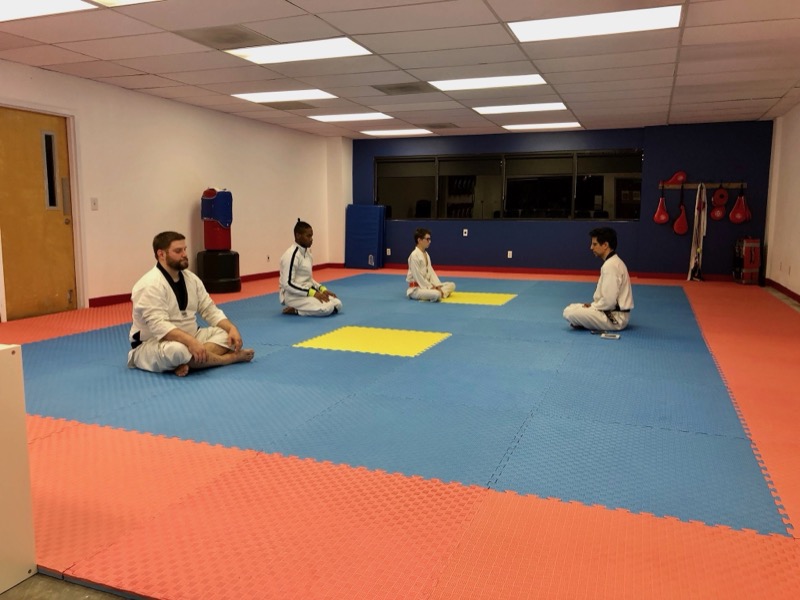
Posted on

How to Improve Your Forms: A Step-by-Step Guide to Better Poomsae

Taekwondo is more than a martial art; it’s a journey of personal growth that builds discipline, confidence, and physical fitness. For children, mastering poomsae (forms) can be an especially rewarding aspect of Taekwondo, combining focus, precision, and creativity. Poomsae are structured patterns of offensive and defensive techniques performed against imaginary opponents, and they are central to skill development in Taekwondo.

If you’re looking to support your child in improving their poomsae, this step-by-step guide will provide actionable tips to help them progress and excel.


What Makes Poomsae Important?

Understanding why poomsae is crucial in Taekwondo can motivate your child to invest effort in their practice. Here’s why poomsae stands out:

  1. Foundation of Techniques: Builds core skills used in sparring and self-defense.
  2. Enhances Focus: Memorizing sequences improves concentration and mental clarity.
  3. Physical Fitness: Develops strength, flexibility, coordination, and balance.
  4. Builds Confidence: Successfully mastering a form fosters a sense of achievement and self-assurance.

Step 1: Create a Positive Practice Environment

Designate a Practice Space

Set aside a safe, obstacle-free area for practice. Ensure the surface is non-slip and has enough room for your child to move freely.

Encourage Routine Practice

Establish a consistent schedule, such as practicing 2-3 times a week. A predictable routine builds discipline and prevents procrastination.

Engage the Family

Make practice a family activity. Even simple encouragement or practicing along with your child can make the process more enjoyable and motivating.


Step 2: Work with Instructors

Communicate Regularly

Talk to your child’s instructor to understand their progress and areas needing improvement. Instructors can offer tailored advice or emphasize specific techniques during class.

Observe Classes

Whenever possible, attend their practice sessions. Watching the instructor’s demonstrations and your child’s participation helps you better support their at-home practice.


Step 3: Master the Basics

Every poomsae is built on foundational movements. Refining these basics can dramatically improve performance:

Focus on Stances

Proper stances are the foundation of balance and power in poomsae. Help your child practice smooth transitions between stances such as front stance (Ap Seogi) and horse stance (Juchum Seogi).

Perfect Hand Techniques

Blocks and strikes must be sharp and precise. Practicing in slow motion can help your child focus on accuracy and the correct path of each movement.

Control Kicks

Encourage your child to prioritize control over speed when practicing kicks. Proper chambering and execution ensure their kicks are effective and aesthetically pleasing.


Step 4: Use Mindful Repetition

Repetition is vital for mastering poomsae, but it should be purposeful rather than mechanical.

Break it Down

Divide the poomsae into smaller sections. Practicing smaller parts reduces overwhelm and allows for more focused improvement.

Slow it Down

Performing the movements slowly helps your child identify errors and improve muscle memory.

Visualize Success

Encourage your child to mentally picture themselves executing the poomsae flawlessly. Visualization is a proven technique for boosting physical performance.


Step 5: Provide Constructive Feedback

Your feedback plays a key role in building your child’s confidence and skills.

Record and Reflect

Recording practice sessions can help your child see their own progress and pinpoint areas for improvement.

Give Balanced Feedback

Acknowledge what they’re doing well before suggesting improvements. For example: “Your stance is very strong! Let’s work on making your punches sharper.”

Celebrate Achievements

Recognize milestones, such as completing a challenging sequence or performing a form with confidence. Rewards or praise can keep your child motivated.


Step 6: Focus on Physical Conditioning

Physical fitness enhances poomsae performance. Incorporate simple exercises into their routine to complement their practice:

  1. Leg Strength: Exercises like lunges and squats improve stability for kicks.
  2. Flexibility: Stretching routines targeting the hamstrings, hips, and shoulders aid in smoother movements.
  3. Balance Training: Activities like standing on one leg or using a balance board can improve stability.

Step 7: Add Fun and Challenge

Create Friendly Competitions

Incorporate playful challenges like timing how quickly they can transition between stances or seeing who can hold a balanced kick the longest.

Encourage Creativity

Once they master the basics, let your child add personal flair to their poomsae (if appropriate for their level). This fosters a deeper connection to the art.


Step 8: Prepare for Tournaments

If your child is interested in competing, guide their focus towards precision, timing, and expression. Watching videos of poomsae competitions together can provide inspiration and insight into performance expectations.


Conclusion

Improving poomsae requires patience, practice, and support. With a dedicated approach and encouragement from you, your child can refine their skills, build confidence, and enjoy their Taekwondo journey to the fullest. Remember, the goal isn’t just perfection—it’s growth, discipline, and having fun along the way.


Written by AI & Reviewed by Clinical Psychologist and Head Coach: Yoendry Torres, Psy.D.
Disclaimer: Some blog posts may contain affiliate links, and TKD Wellness will earn a commission if you purchase through those links at no additional cost to you. We recommend products and services that we trust and have found helpful. Thank you for supporting our website!

Posted on

10-Minute Taekwondo Warm-Up Routine for Beginners

Starting your child’s Taekwondo practice with a proper warm-up is essential for preventing injuries, improving performance, and setting the tone for focused training. Whether they’re trying Taekwondo for the first time or already earning belts, this 10-minute warm-up routine is designed to prepare young martial artists both physically and mentally for a great practice session. Plus, parents can join in to make it a fun, family-friendly activity!


The Importance of Warming Up

Before jumping into training, warming up is key to getting the body ready for action. A proper warm-up:

  • Increases blood flow to muscles
  • Enhances flexibility and joint mobility
  • Prepares the mind for focus and discipline
  • Reduces the risk of injuries

This beginner-friendly routine covers all the bases to ensure your child is ready for kicks, punches, and forms.


The 10-Minute Taekwondo Warm-Up Routine

1. Jumping Jacks (2 minutes)

Purpose: Boost heart rate, engage large muscle groups, and improve coordination.

How to Do It:

  1. Start with feet together and arms at your sides.
  2. Jump up, spreading your feet shoulder-width apart while raising your arms overhead.
  3. Jump again, returning to the starting position.
  4. Maintain a steady rhythm for 2 minutes.

Pro Tip: Turn it into a game! Challenge your child to see how many jumping jacks they can complete in 30 seconds, then encourage them to beat their own record.


2. Arm Circles (1 minute)

Purpose: Loosen up shoulders and prepare the arms for punches and blocking.

How to Do It:

  1. Stand with feet shoulder-width apart and arms extended to the sides at shoulder height.
  2. Start making small forward circles, gradually increasing their size.
  3. After 30 seconds, switch to backward circles.

Fun Idea: Ask your child to pretend they’re drawing circles on a giant chalkboard!


3. Trunk Twists (1 minute)

Purpose: Stretch the torso and activate core muscles.

How to Do It:

  1. Stand with feet shoulder-width apart and knees slightly bent.
  2. Place hands on your hips or extend arms at chest level.
  3. Twist your upper body to the left, then to the right, keeping your hips stationary.
  4. Repeat for 1 minute at a steady pace.

Engagement Tip: Encourage your child to imagine wringing out a towel with each twist to enhance their effort and focus.


4. Leg Swings (2 minutes)

Purpose: Improve flexibility in the hamstrings, hip flexors, and adductors.

How to Do It:

  1. Stand next to a wall or sturdy surface for balance.
  2. Swing one leg forward and backward in a controlled motion 10-15 times, then switch legs.
  3. Follow with side-to-side leg swings for 30 seconds per leg.

Safety Tip: Remind your child to keep their movements controlled to avoid overextending or losing balance.


5. High Knees (2 minutes)

Purpose: Boost cardiovascular endurance and warm up lower-body muscles.

How to Do It:

  1. Stand tall with feet hip-width apart.
  2. Raise one knee as high as possible while lifting the opposite arm.
  3. Alternate legs quickly in a running motion.
  4. Encourage your child to maintain a steady pace for 2 minutes.

Fun Visualization: Have your child pretend they’re running through tires like a martial arts champion in training!


6. Ankle and Wrist Rotations (1 minute)

Purpose: Warm up and increase flexibility in the ankle and wrist joints, reducing the risk of injury during fast movements.

How to Do It:

  • Ankle Rotations:
    1. Lift one foot off the ground and rotate the ankle clockwise 10 times, then counterclockwise.
    2. Switch to the other foot and repeat.
  • Wrist Rotations:
    1. Extend both arms forward and rotate the wrists clockwise 10 times, then counterclockwise.

Engagement Tip: Playfully suggest your child imagine they’re “spinning the wheels” on a race car!


Cool-Down Option

Although the focus here is warming up, a quick cool-down after practice can enhance recovery and flexibility. Encourage stretches like toe touches or seated forward bends to relax the muscles used during training.


Conclusion

A well-structured warm-up is the foundation of a successful Taekwondo session. This 10-minute routine helps your child stay injury-free while boosting their physical readiness and mental focus. By integrating these fun and effective exercises into your child’s training regimen, you’re setting them up for success in their martial arts journey—and maybe even creating a family tradition of staying active together!


Written by AI & Reviewed by Clinical Psychologist and Head Coach: Yoendry Torres, Psy.D.
Disclaimer: Some blog posts may contain affiliate links, and TKD Wellness will earn a commission if you purchase through those links at no additional cost to you. We recommend products and services that we trust and have found helpful. Thank you for supporting our website!

Posted on

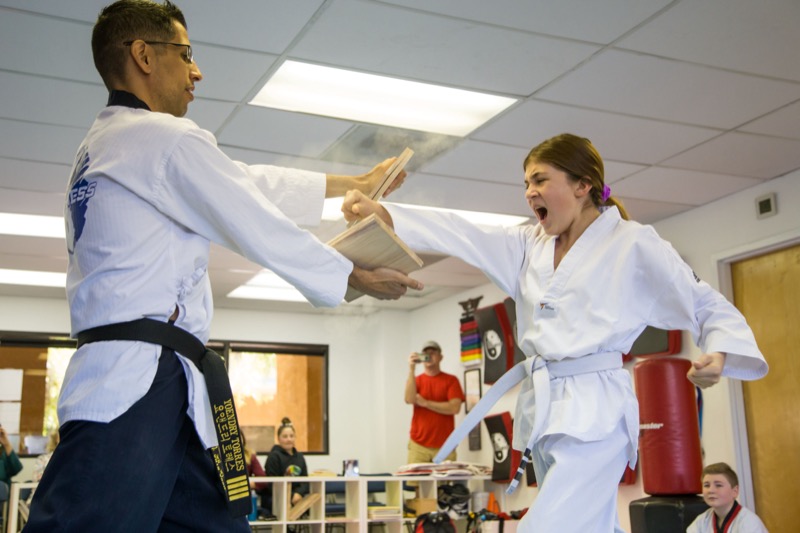
Breaking Barriers: Preparing for Your First Board Break

When your child begins their martial arts journey, every step is filled with opportunities for growth, discipline, and triumph. Among these milestones, the first board break stands out as a defining moment, symbolizing more than just physical strength—it’s a testament to mental focus and overcoming self-doubt. As a parent, understanding how to support and prepare your child for this thrilling experience can transform it into an empowering memory. Here’s a guide to what board breaking involves, its benefits, and how to help your child succeed in this key martial arts achievement.


The Significance of Board Breaking

Board breaking in martial arts is a tradition steeped in both physical and philosophical purpose. Beyond the dramatic snap of wood lies an important lesson about precision, power, and perseverance.

Why Martial Artists Break Boards

  1. Testing Technique
    Board breaking requires flawless execution. The ability to break a board cleanly demonstrates mastery of form, alignment, and power transfer. It’s a tangible way for students to measure their technical progress.
  2. Boosting Confidence
    Few moments match the satisfaction of successfully breaking a board. This milestone builds self-belief, showing young martial artists they’re capable of achieving difficult goals through effort and determination.
  3. Fostering Mental Focus
    To break a board, focus is key. Students learn to channel their attention and energy into a precise strike—a skill that translates into improved focus in other areas of life, including academics and personal challenges.
  4. Overcoming Fear
    Board breaking encourages students to confront fears, whether it’s fear of failure, pain, or the unknown. Successfully breaking a board becomes a metaphor for tackling challenges head-on and emerging victorious.

Physical Preparation

Perfecting the Technique

Technique is the cornerstone of successful board breaking. A strike that’s powerful yet misaligned will fail, while a precise strike—even with moderate strength—can achieve the goal.

  • Listen to Instructors
    Encourage your child to pay close attention during class. Instructors will break down the mechanics of the strike, from stance to follow-through.
  • Drills and Practice
    Repetition builds muscle memory. Practicing kicks, punches, or strikes in slow motion helps refine form, ensuring every movement is deliberate and controlled.
  • Alignment and Precision
    Explain to your child that the goal isn’t brute force but accuracy. Proper alignment of the hand, foot, or elbow ensures maximum impact with minimal effort.

Building Strength and Endurance

Strengthening key muscle groups aids in generating power and maintaining control.

  • Targeted Exercises
    Push-ups strengthen the arms for hand strikes, while squats and lunges improve leg power for kicks. Core exercises like planks help with overall stability.
  • Flexibility Training
    Include stretches that enhance flexibility, especially in the hips, legs, and shoulders, to facilitate a full range of motion.
  • Balance Work
    Activities like one-legged stances or using a balance board improve stability, crucial for maintaining precision during a strike.

Mental Preparation

Board breaking challenges not only the body but also the mind. Building confidence and focus is vital to success.

Visualization Techniques

Teach your child to picture themselves successfully breaking the board. Encourage them to imagine every detail, from the stance to the follow-through and the sound of the wood snapping. Visualization creates a mental blueprint for success.

Controlled Breathing

Deep, steady breathing calms nerves and focuses energy. Practicing breathing exercises before the attempt can help your child approach the board with clarity and confidence.

Building Resilience

Remind your child that it’s okay if they don’t succeed on the first try. Every attempt teaches something valuable, whether about form, focus, or perseverance. Use any setbacks as opportunities for growth.


Emotional and Psychological Growth

Overcoming Fear

Fear of failure or the unknown can hold children back. Help your child confront these fears by normalizing them and framing the experience as a learning opportunity.

  • Talk It Through
    Discuss what breaking the board will feel like and emphasize the instructor’s support throughout the process.
  • Celebrate Effort
    Remind your child that attempting the break is an achievement in itself. Whether they succeed immediately or need another try, their determination is worth celebrating.

Teaching Life Lessons

Board breaking is more than a martial arts milestone—it’s a life lesson about determination, discipline, and the rewards of effort. Use this experience to reinforce the idea that challenges are opportunities to grow.


Tips for Parents: How to Support Your Child

  1. Be Encouraging
    Offer words of encouragement and remind your child of their progress. Share their excitement and assure them that you’re proud of their effort, no matter the outcome.
  2. Create a Positive Environment
    Avoid adding pressure by setting expectations. Instead, focus on the joy of learning and the pride that comes with trying something new.
  3. Practice Together
    If possible, practice alongside your child at home. Mimicking their drills or joining their warm-ups can make preparation feel less daunting and more fun.
  4. Celebrate Success
    Whether they break the board on their first attempt or after several tries, celebrate their courage and hard work. Acknowledge the lessons they’ve learned throughout the process.

The Power of Breaking Barriers

When a young martial artist breaks their first board, it’s more than a demonstration of physical strength. It’s a breakthrough—a moment that encapsulates their discipline, focus, and determination. For parents, witnessing this triumph is an opportunity to celebrate not just the accomplishment, but the values and lessons that make it possible.

With the right preparation and encouragement, this milestone becomes a transformative experience, empowering your child to face challenges with confidence both inside and outside the dojo.


Written by AI & Reviewed by Clinical Psychologist and Head Coach: Yoendry Torres, Psy.D.
Disclaimer: Some blog posts may contain affiliate links, and TKD Wellness will earn a commission if you purchase through those links at no additional cost to you. We recommend products and services that we trust and have found helpful. Thank you for supporting our website!

Posted on

How Martial Arts Teach Respect: Lessons Every Parent Loves

In today’s fast-paced, tech-driven world, teaching children respect has become both a challenge and a necessity. Respect forms the foundation of good character, shaping how children interact with peers, authority figures, and themselves. For parents seeking a structured yet engaging way to instill this vital value, martial arts offer an exceptional solution.

Rooted in centuries-old traditions, martial arts like Karate, Taekwondo, Judo, Brazilian Jiu-Jitsu, and Kung Fu are far more than physical practices. They are holistic systems of personal development that weave respect into every aspect of training. Let’s explore how martial arts cultivate respect and why these lessons resonate with parents.


The Philosophy of Respect in Martial Arts

At the heart of martial arts lies a deep respect for tradition, discipline, and humanity. This respect is not merely taught—it is lived through every bow, every movement, and every interaction within the training space. Children absorb this philosophy from their very first class.

Respect for Tradition and Authority

Martial arts honor the lineage of knowledge passed down through generations. Children learn to value this tradition by respecting their instructors, who are custodians of these ancient arts. Practices such as bowing when entering the dojo (training hall), addressing instructors with titles like “Sensei” or “Master,” and adhering to ceremonial rituals cultivate an innate respect for authority, structure, and history.


Cultivating Self-Respect

Martial arts begin with self-respect, empowering children to believe in their own abilities while embracing their limitations. Through consistent effort, they discover the power of perseverance and the joy of self-improvement.

Setting and Achieving Goals

The belt system in martial arts is a clear, goal-oriented progression. Each new belt represents a milestone earned through hard work, patience, and dedication. Achieving these goals reinforces the value of persistence and inspires children to set and reach objectives in other areas of their lives.

Confidence Through Competence

Martial arts teach children that mastery comes from effort and repetition, not instant gratification. This slow, steady process builds genuine competence. Knowing they have developed real skills—not just for self-defense but for personal growth—nurtures self-respect and encourages a positive self-image.


Teaching Respect for Others

Martial arts emphasize that respect is a two-way street. Students are taught to value not only their instructors but also their peers and even their opponents.

Partner Drills and Sparring

Collaborative drills and sparring exercises instill mutual respect. Children learn to rely on their partners while prioritizing each other’s safety. This fosters empathy and trust, as well as the understanding that teamwork requires respect and communication.

Celebrating Diversity

Martial arts attract a diverse community, exposing children to peers from various cultural, social, and economic backgrounds. This diversity promotes inclusivity and broadens their perspectives, teaching them to respect differences and appreciate shared experiences.

Healthy Competition

In martial arts, competition is framed as a tool for growth, not dominance. Children learn to respect their opponents as collaborators in their journey toward self-improvement. This mindset encourages humility in victory and grace in defeat, valuable lessons for life.


Discipline: The Cornerstone of Respect

Discipline is an integral part of martial arts training, fostering habits and attitudes that translate into respect for oneself, others, and responsibilities.

Following Instructions

Martial arts techniques require precision, which demands attentiveness to instruction. Children quickly learn that listening and following guidance are essential for progress. This attentiveness naturally carries over to school, home, and other activities.

Consistency and Routine

Regular practice instills a structured routine, teaching children the importance of time management and commitment. By respecting their schedule, they learn the value of honoring commitments, whether it’s training sessions or homework deadlines.


Responsibility and Leadership

As students advance in martial arts, they take on responsibilities that nurture respect and leadership skills.

Mentorship Opportunities

Higher-ranking students often assist beginners, guiding them through techniques and encouraging their progress. This mentoring fosters a sense of responsibility and teaches students the importance of helping others succeed.

Role Modeling Respect

Through their actions, advanced students model respect for instructors, peers, and the martial art itself. Younger students emulate this behavior, creating a cycle of respect that strengthens the dojo community.


Why Parents Love These Lessons

Martial arts provide a structured environment where respect is not just a concept but a practice. Parents often notice positive changes at home, such as improved manners, better listening skills, and a greater sense of responsibility. The respect learned in martial arts is foundational, influencing how children approach relationships, academics, and challenges throughout their lives.


Closing Thoughts: Respect as a Lifelong Lesson

Martial arts are more than a physical discipline; they are a life philosophy centered on respect. By enrolling their children in martial arts, parents provide them with tools to develop self-respect, empathy, and discipline—qualities that will serve them in every stage of life. As parents witness their children bow before stepping onto the mat, offer encouragement to a partner, or celebrate a rival’s victory, they know these lessons are shaping not just martial artists, but individuals of character.


Written by AI & Reviewed by Clinical Psychologist and Head Coach: Yoendry Torres, Psy.D.
Disclaimer: Some blog posts may contain affiliate links, and TKD Wellness will earn a commission if you purchase through those links at no additional cost to you. We recommend products and services that we trust and have found helpful. Thank you for supporting our website!

Posted on

The Role of Focus in Taekwondo: Helping Kids Excel in School

In a world full of distractions—from digital devices to environmental noise—helping children develop focus is more important than ever. For parents, finding activities that foster both mental discipline and physical well-being is a top priority. Taekwondo, a traditional Korean martial art, offers a holistic approach to helping kids improve their focus, which can lead to greater academic success and personal growth. Let’s explore how Taekwondo hones a child’s focus and discipline, translating to better outcomes in the classroom and beyond.


1. Understanding Taekwondo’s Philosophy

Taekwondo is more than a martial art; it’s a way of life. Rooted in the principles of respect, perseverance, integrity, and self-control, Taekwondo emphasizes discipline and mastery of the self.

The name “Taekwondo” combines three Korean words: “Tae” (foot), “Kwon” (hand), and “Do” (way), symbolizing “the way of the foot and hand.” Beyond physical movement, the philosophy of Taekwondo teaches mindfulness and the importance of staying present—a skill that is central to focus and applicable in many areas of life.


2. How Taekwondo Builds Focus in Training

Physical Precision

Taekwondo techniques, such as high kicks and forms (poomsae), require precision, balance, and coordination. Each movement must be executed with care and attention to detail. Children learn to concentrate on their body’s alignment, timing, and power, building a habit of sustained focus that carries over into other activities.

Mental Discipline

Mental clarity is a cornerstone of Taekwondo. Classes often incorporate meditation and controlled breathing exercises to calm the mind and sharpen focus. These practices teach children how to tune out distractions and stay present, skills that are invaluable for maintaining concentration in school.


3. Transferring Focus from Dojang to Classroom

Improved Attention Span

In Taekwondo, students engage in repetitive drills that demand their full attention. This repetitive practice helps improve their ability to concentrate for longer periods, making it easier for them to focus during lessons or while completing homework.

Goal Setting and Achievement

The belt-ranking system in Taekwondo encourages students to set and achieve goals incrementally. This process teaches children the importance of dedication and persistence, which are essential for academic success. Whether it’s mastering a new form or studying for an exam, the ability to set goals and work toward them is a transferable skill.

Discipline and Responsibility

Regular practice, punctuality, and respect for the instructor and peers are integral to Taekwondo training. These lessons in self-discipline and responsibility naturally extend to the classroom, where students learn to manage their time effectively and complete assignments diligently.


4. Psychological Benefits of Taekwondo

Building Confidence

Mastering Taekwondo techniques and earning new belts boosts a child’s self-esteem. This newfound confidence can help children feel more self-assured in academic settings, encouraging them to participate in discussions, ask questions, and take on challenges with a positive mindset.

Stress Relief

Taekwondo serves as a constructive outlet for stress. Physical activity releases endorphins, which improve mood and reduce anxiety. Breathing exercises and mindfulness techniques practiced in Taekwondo help children manage stress, creating a calm and focused mental state that supports academic performance.


5. Social and Emotional Growth Through Taekwondo

Teamwork and Communication

Taekwondo classes foster camaraderie through partner drills, group activities, and shared goals. Children learn to communicate effectively and support their peers, building essential social skills that enhance their ability to work collaboratively in school.

Empathy and Respect

Respect is a fundamental value in Taekwondo, instilled through interactions with instructors and peers. This emphasis on respect translates to better relationships with teachers and classmates, creating a more positive and productive learning environment.


6. Tips for Parents: Supporting Focus Through Taekwondo

To maximize the benefits of Taekwondo for your child’s focus and academic success:

  1. Encourage Consistent Practice: Help your child establish a regular training schedule to reinforce discipline and focus.
  2. Discuss Goals Together: Talk to your child about their goals in both Taekwondo and school, showing them how the two can complement each other.
  3. Promote Mindfulness: Encourage your child to practice mindfulness techniques learned in Taekwondo, such as controlled breathing, during study sessions or exams.
  4. Celebrate Achievements: Recognize your child’s progress in Taekwondo and school, reinforcing their sense of accomplishment.

Closing Thoughts

Taekwondo is more than a physical activity; it’s a life-enriching discipline that helps children develop the focus, confidence, and resilience they need to excel in school and beyond. By teaching kids to be mindful, disciplined, and goal-oriented, Taekwondo sets the stage for lifelong success.


Written by AI & Reviewed by Clinical Psychologist and Head Coach: Yoendry Torres, Psy.D.
Disclaimer: Some blog posts may contain affiliate links, and TKD Wellness will earn a commission if you purchase through those links at no additional cost to you. We recommend products and services that we trust and have found helpful. Thank you for supporting our website!