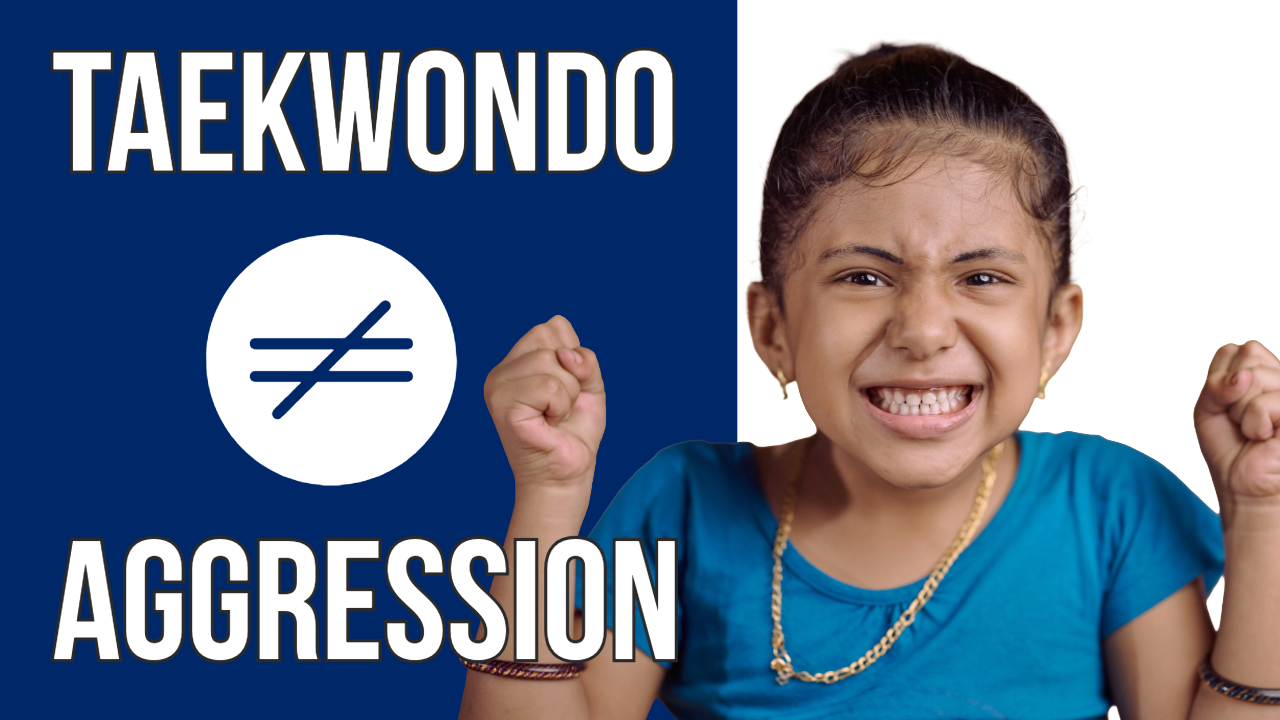
It is a common and valid concern for parents: Will teaching my child how to kick and punch make them more aggressive? At first glance, the physical nature of martial arts might seem like it encourages combativeness. However, from the dual lenses of clinical psychology and traditional martial arts mastery, the reality is quite the opposite. When practiced holistically, Taekwondo serves as a powerful tool for reducing aggression and fostering emotional regulation.
The Holistic Advantage: More Than Just Kicking
Unlike sports that focus purely on the mechanics of fighting, Taekwondo is a holistic discipline. It is built upon a foundation of core virtues, often referred to as the Tenets of Taekwondo, including integrity, courtesy, and self-control. These aren’t just abstract concepts; they are explicitly defined, taught, and practiced in every session.
In a traditional dojang, students don’t just learn how to move their bodies; they learn how to govern their reactions. For example, maintaining a clean uniform and following rigid class etiquette instills a sense of respect for oneself and others. This structure creates a “pro-social” environment where the physical skills are always secondary to the character of the practitioner.
What the Research Says: Traditional vs. Combat-Only
Psychological research into martial arts often distinguishes between “traditional” martial arts and those that focus strictly on the fighting or competitive aspect. Studies suggest that programs emphasizing only the combat elements can potentially lead to an increase in aggressive tendencies over time.
In contrast, traditional Taekwondo incorporates history, culture, meditation, and Poomsae (forms). This multifaceted approach provides a meditative outlet and a philosophical framework that helps children process stress and frustration without resorting to outward aggression. By focusing on self-defense as a last resort, children learn that true strength lies in the ability to avoid a fight, not start one.
Emotional Regulation and the Power of Self-Control
From a developmental standpoint, one of the most significant benefits of Taekwondo is the cultivation of self-control. While we cannot always control the emotions we feel, such as anger or frustration, we can absolutely control our reactions to those emotions.
Taekwondo provides a safe, controlled environment for children to experience these big emotions. Whether it’s the frustration of a difficult technique or the pressure of a promotion test, students practice “honesty with themselves” as they navigate feedback and growth. This builds a psychological “muscle” for self-regulation that carries over into the classroom and the home.
The Role of Confidence and Rank
Aggression is frequently a byproduct of insecurity. As children progress through the ranks of Taekwondo, they earn tangible evidence of their own perseverance and skill. This genuine self-confidence acts as a buffer against the need to “prove” oneself through aggressive behavior. A child who knows they are capable of defending themselves often feels the least need to demonstrate it.
Final Thoughts
If you are looking for a path that instills discipline, resilience, and a peace-oriented mindset in your child, the evidence points toward the traditional path of martial arts. By integrating physical mastery with psychological well-being, we help students embark on a lifelong journey toward becoming their best selves.
Ready to experience the benefits of training firsthand? Sign up for a free class at TKD Wellness today.
Can’t make it to the dojang? Check out our comprehensive online Beginners Taekwondo Course on Udemy.
Follow us on YouTube or Facebook!
Written by AI & Reviewed by Clinical Psychologist and Head Coach: Yoendry Torres, Psy.D., 5th Dan
Disclaimer: Please note that some blog posts may contain affiliate links and TKD Wellness will earn a commission if you purchase through those links at no additional cost to you. We use all of the products listed and recommend them because they are companies or products that I have found helpful and trustworthy. Our website is supported by our users.