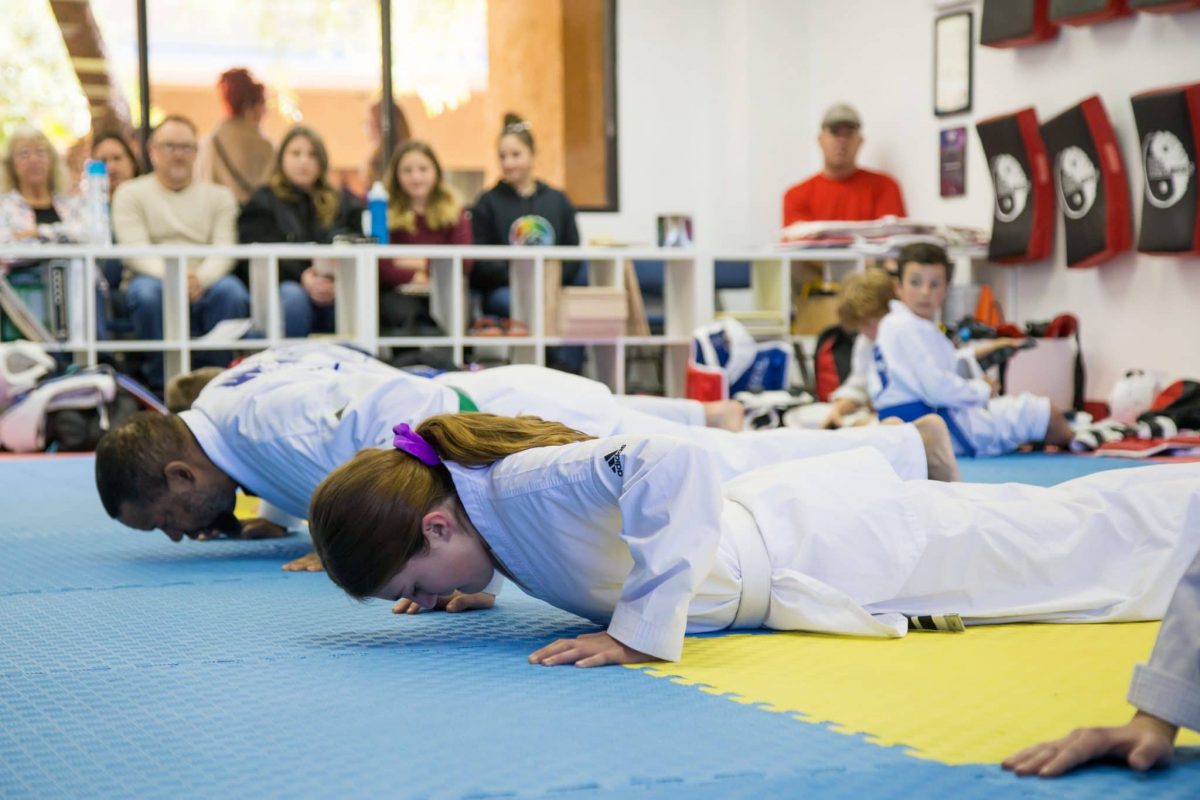
In the heart of Tucson, Arizona, a dynamic haven of empowerment and growth awaits. At TKD Wellness, we’ve harnessed the power of movement to create a space where individuals can tap into their hidden potential, foster self-confidence, and embark on a journey of holistic transformation. Join us as we explore the synergy between empowerment and movement and how TKD Wellness is redefining the path to personal growth.
The Movement-Mind Connection
It’s no secret that movement has a profound impact on our physical health, but its influence on mental and emotional well-being is equally significant. Movement, whether it’s through martial arts, dance, or any other form of exercise, stimulates the release of endorphins – the body’s natural “feel-good” chemicals. At TKD Wellness, we’ve taken this concept a step further, using movement as a catalyst for empowerment.
The Taekwondo Difference
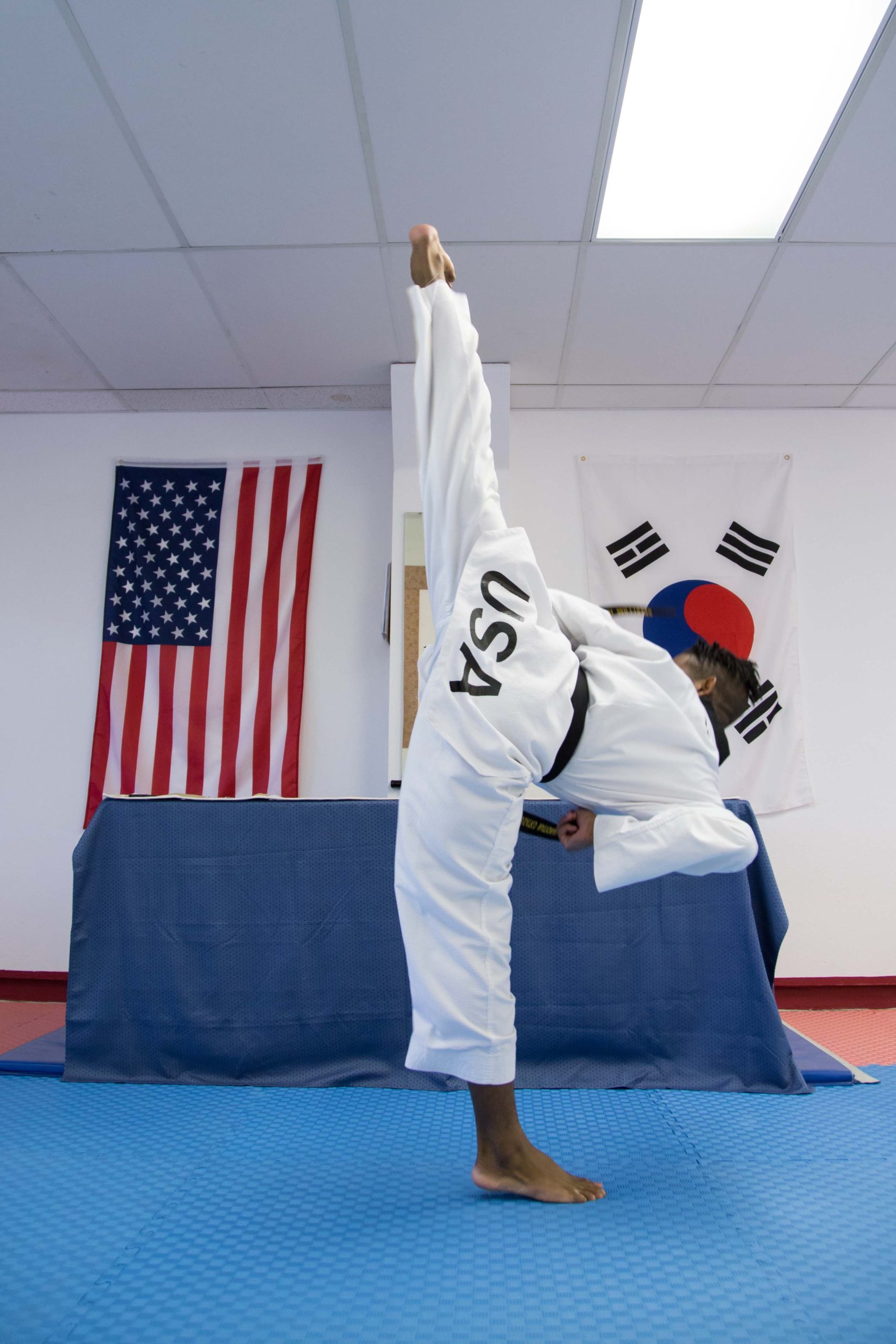
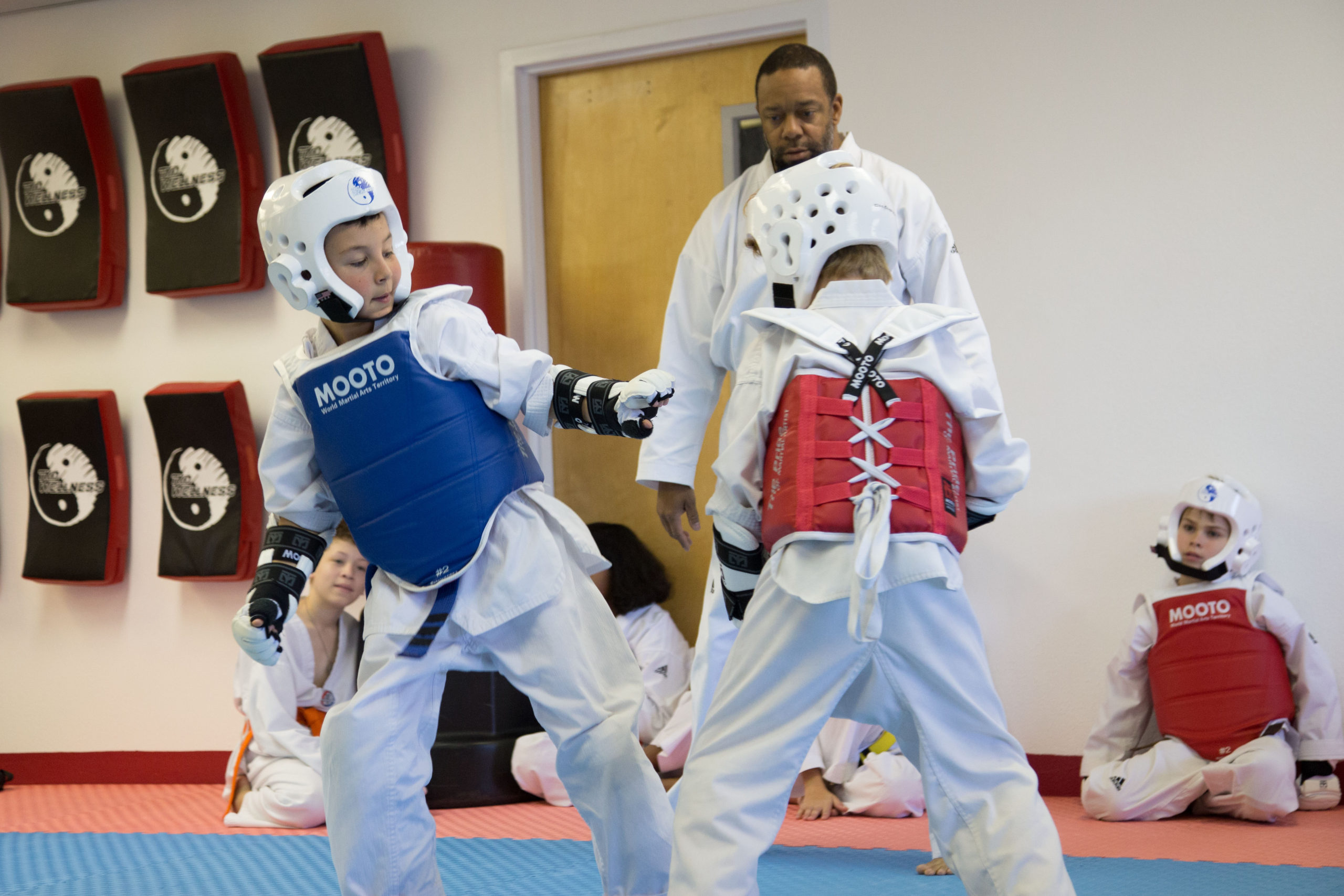
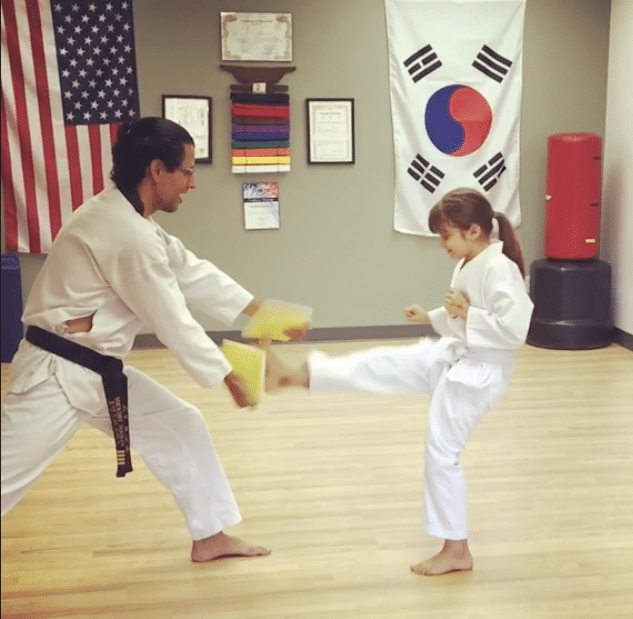
Taekwondo, an Olympic sport rooted in ancient Korean tradition, is the cornerstone of our empowerment journey. It’s not just a martial art; it’s a philosophy that promotes self-discipline, respect, and continuous self-improvement. Through precise movements and powerful techniques, individuals learn to harness their physical strength while simultaneously cultivating mental fortitude.
Unleashing Inner Strength
The journey to empowerment begins by recognizing and unleashing your inner strength. At TKD Wellness, our classes are carefully designed to challenge you both physically and mentally. As you master new techniques, you’ll witness your own progress, fostering a deep sense of achievement and boosting your self-confidence. This newfound belief in your abilities transcends the training mat and permeates every aspect of your life.
Mindfulness in Motion
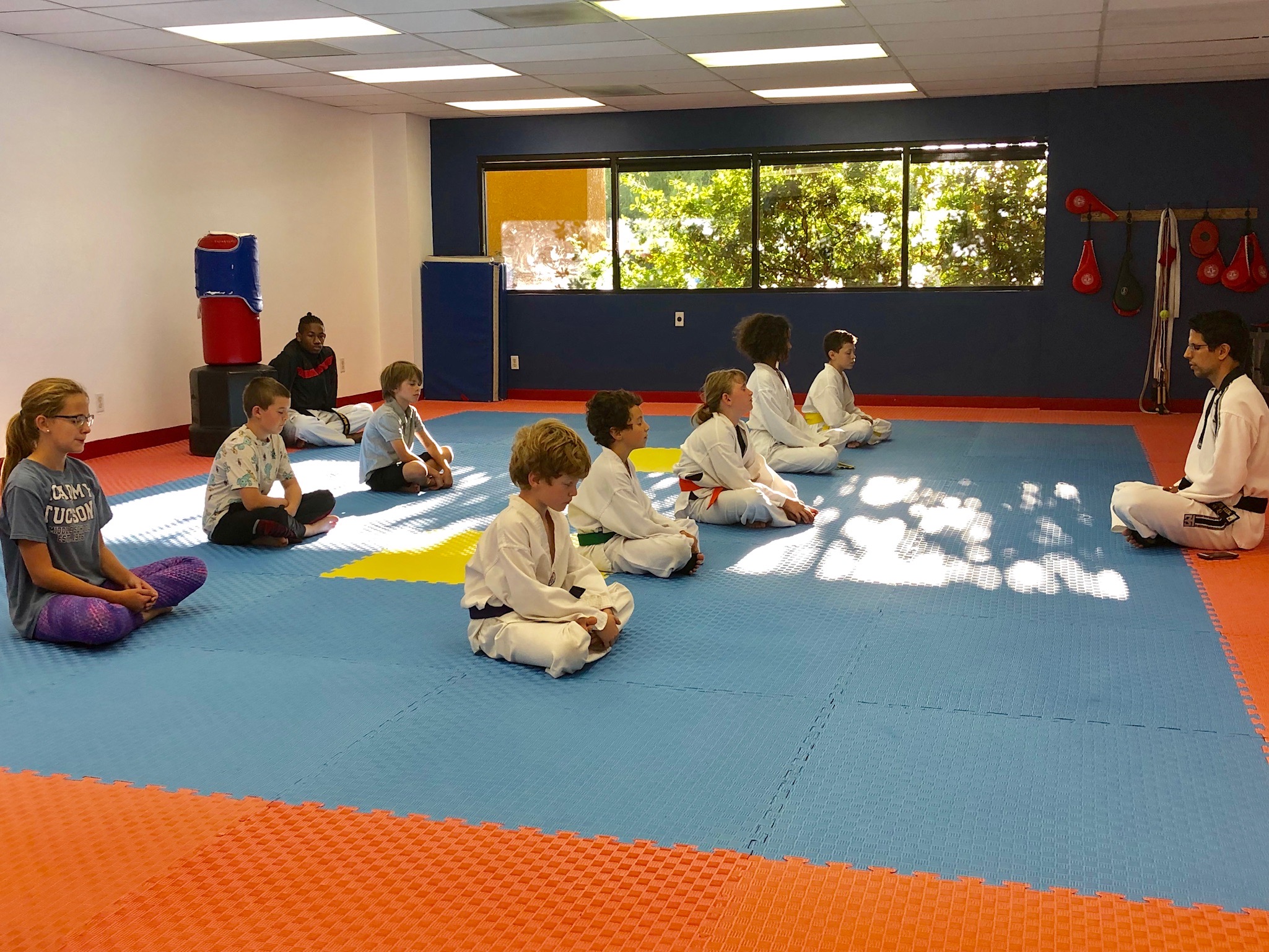
Empowerment isn’t just about physical strength – it’s also about cultivating a resilient mind. Through the practice of Taekwondo, we encourage mindfulness in every movement. By focusing on the present moment, you’ll learn to quiet the noise of daily life and develop mental clarity. This mindfulness extends beyond the training session, helping you navigate stress, anxiety, and challenges with a centered mindset.
Building Resilience
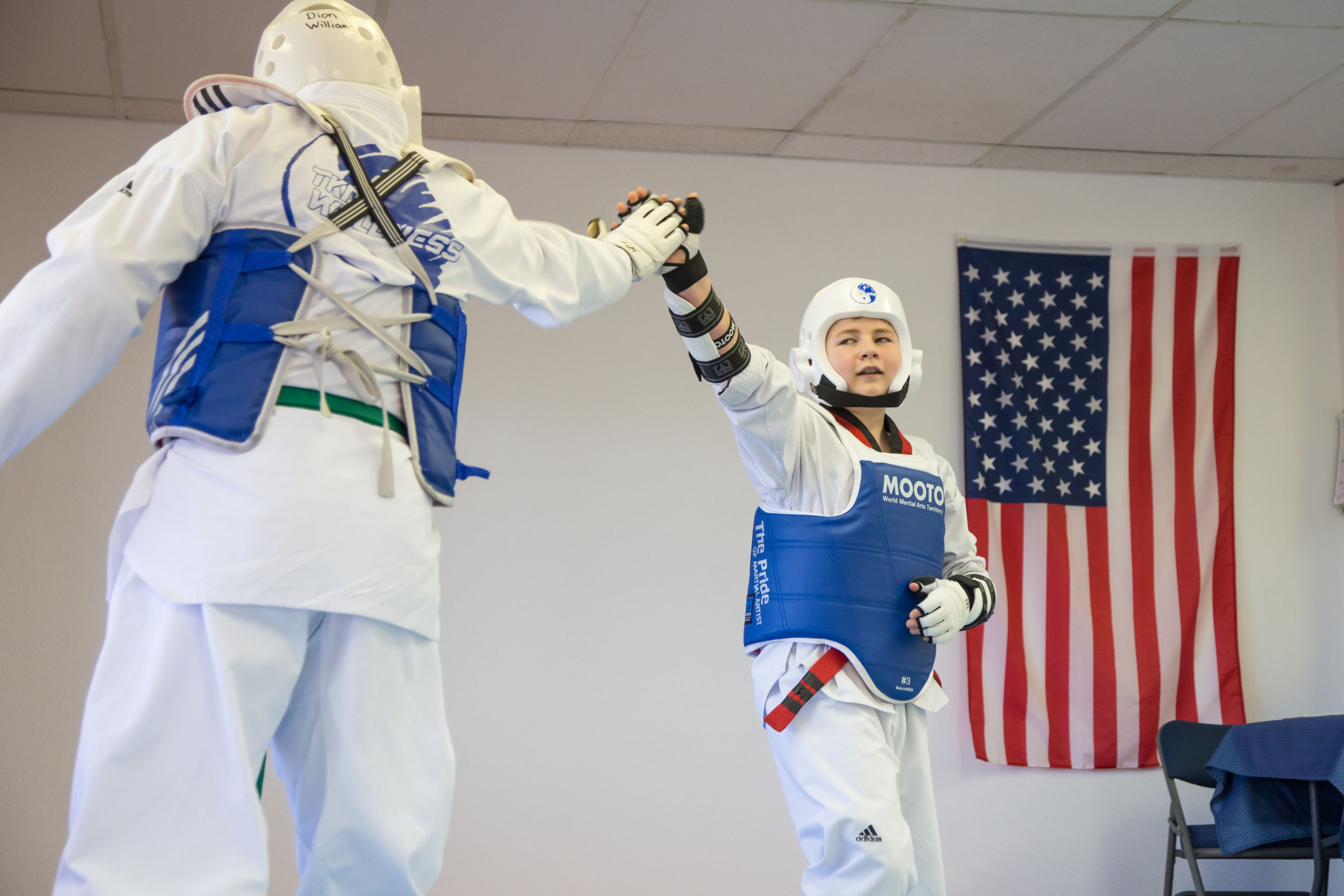
Life is a series of challenges, and building resilience is essential for navigating its ups and downs. The controlled environment of Taekwondo training provides a safe space to push your limits, face setbacks, and emerge stronger than before. Through the discipline of martial arts, you’ll develop the mental strength to persevere in the face of adversity – a skill that proves invaluable in all areas of life.
Confidence in Action
Confidence is the cornerstone of empowerment, and it’s a trait that’s nurtured through action. At TKD Wellness, you’ll experience a cycle of setting goals, working diligently, and achieving milestones. Each accomplishment fuels your belief in your abilities, leading to a self-assured demeanor that radiates in every interaction. This confidence extends beyond the training mat, empowering you to tackle challenges and seize opportunities.
Creating Supportive Connections
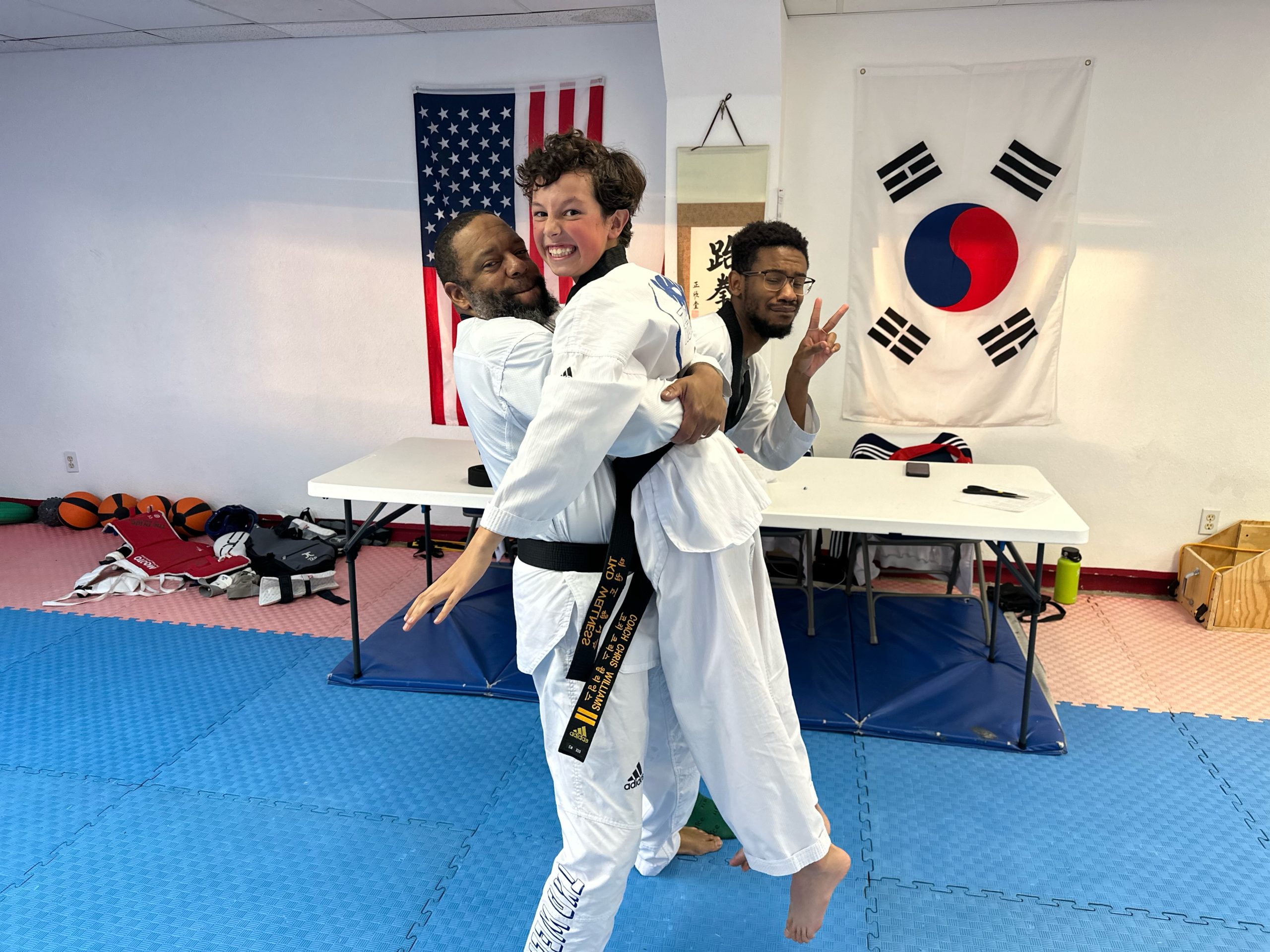
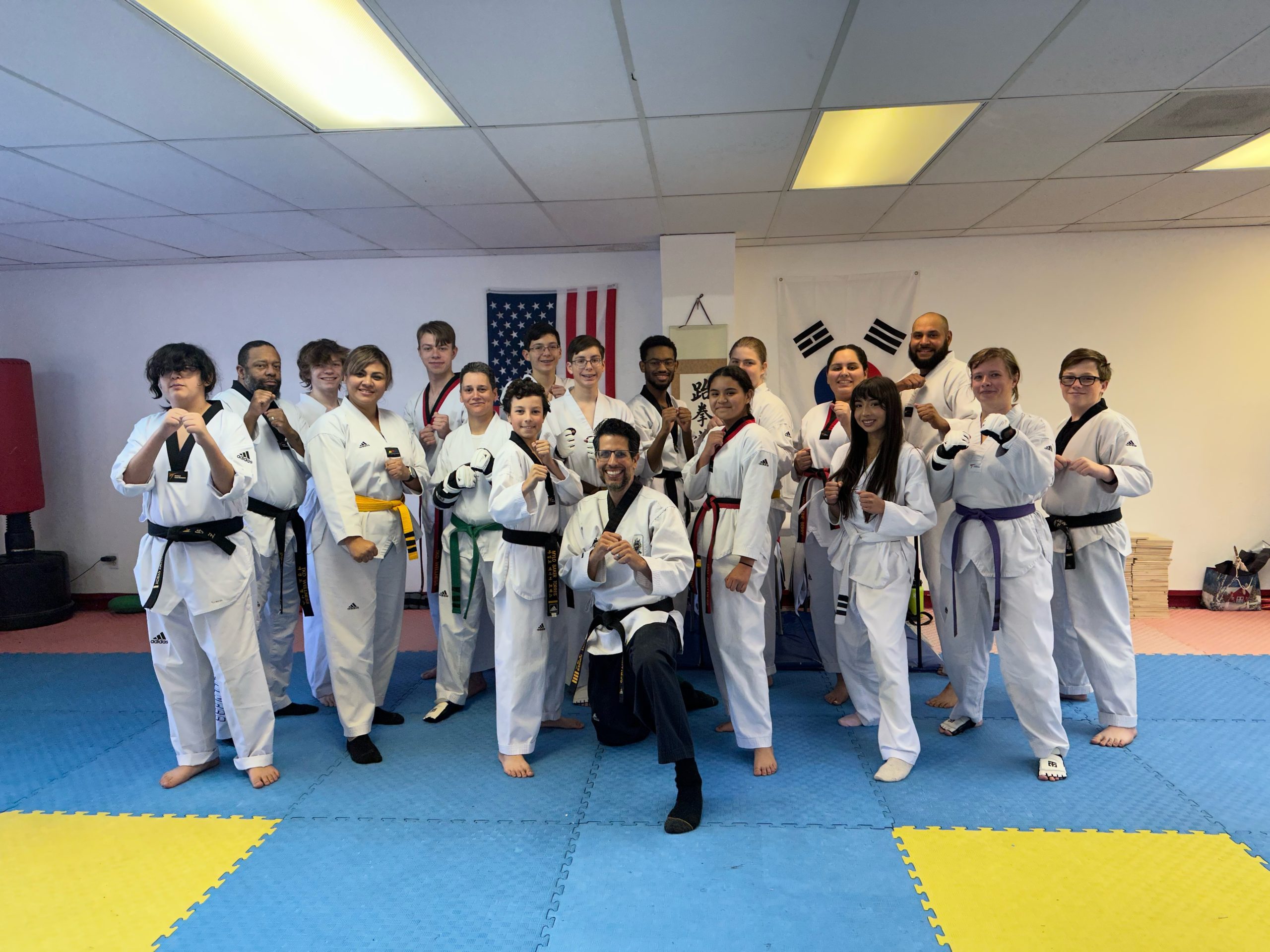
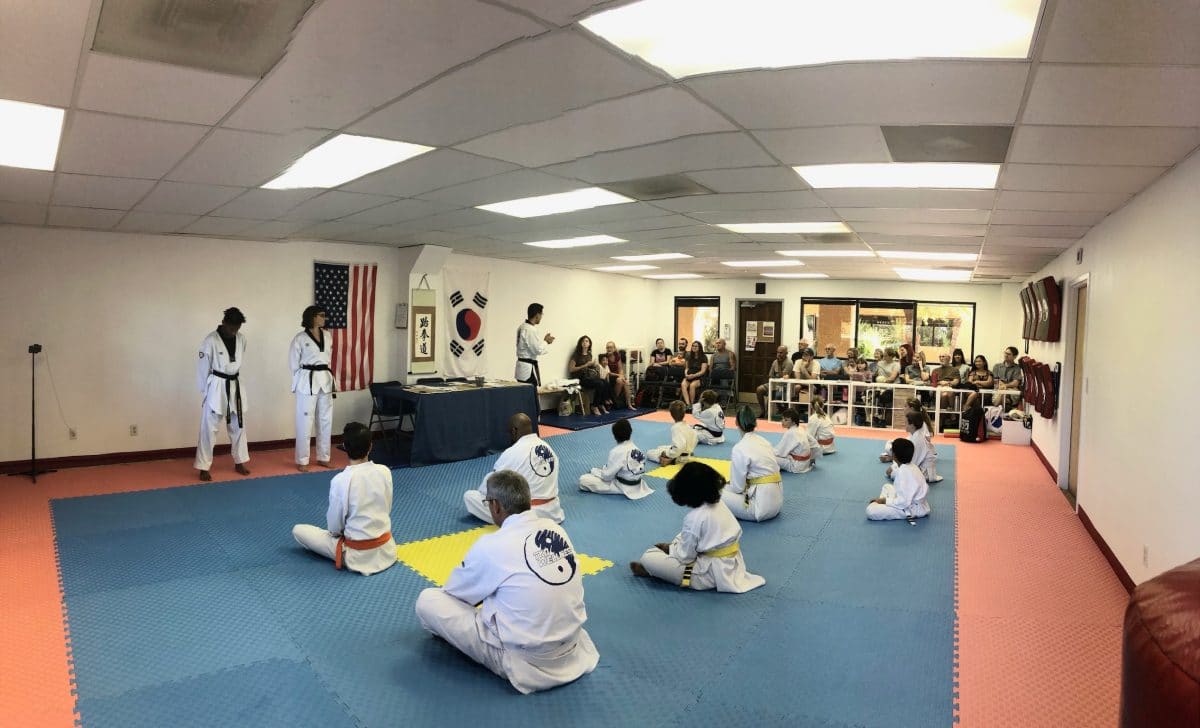
Empowerment thrives in a supportive community, and TKD Wellness is dedicated to fostering such an environment. Our classes are more than group workouts; they’re a space where like-minded individuals come together to encourage, motivate, and uplift one another. The bonds you forge with fellow participants amplify your sense of belonging and fuel your journey of growth.
A Journey Beyond Fitness
At TKD Wellness, empowerment through movement is not limited to physical fitness. It’s about channeling the energy of movement into every facet of your life. From relationships to career aspirations, the skills you develop on the training mat translate into improved focus, determination, and emotional resilience. Our approach is a holistic one – a journey that strengthens your body, sharpens your mind, and ignites your spirit.
Join the Empowerment Movement
Are you ready to experience the transformative power of movement? TKD Wellness invites you to join our empowering community in Tucson, where movement is more than exercise – it’s a path to self-discovery and growth. Our expert instructors are passionate about guiding you through this journey, whether you’re a seasoned athlete or new to the world of martial arts. Come unleash your potential, cultivate resilience, and embrace empowerment through movement. Get Your Free Class Pass Now!
Conclusion
Empowerment through movement is a journey that transcends physical fitness – it’s about harnessing the energy of movement to fuel personal growth, mental clarity, and unwavering confidence. At TKD Wellness in Tucson, Arizona, we’ve crafted a space where movement and empowerment converge, offering you a path to unleash your inner strength, embrace mindfulness, and build resilience. Join our community, and embark on a transformative journey where movement becomes a catalyst for holistic transformation. Empowerment is just a step away – take the first one with TKD Wellness.
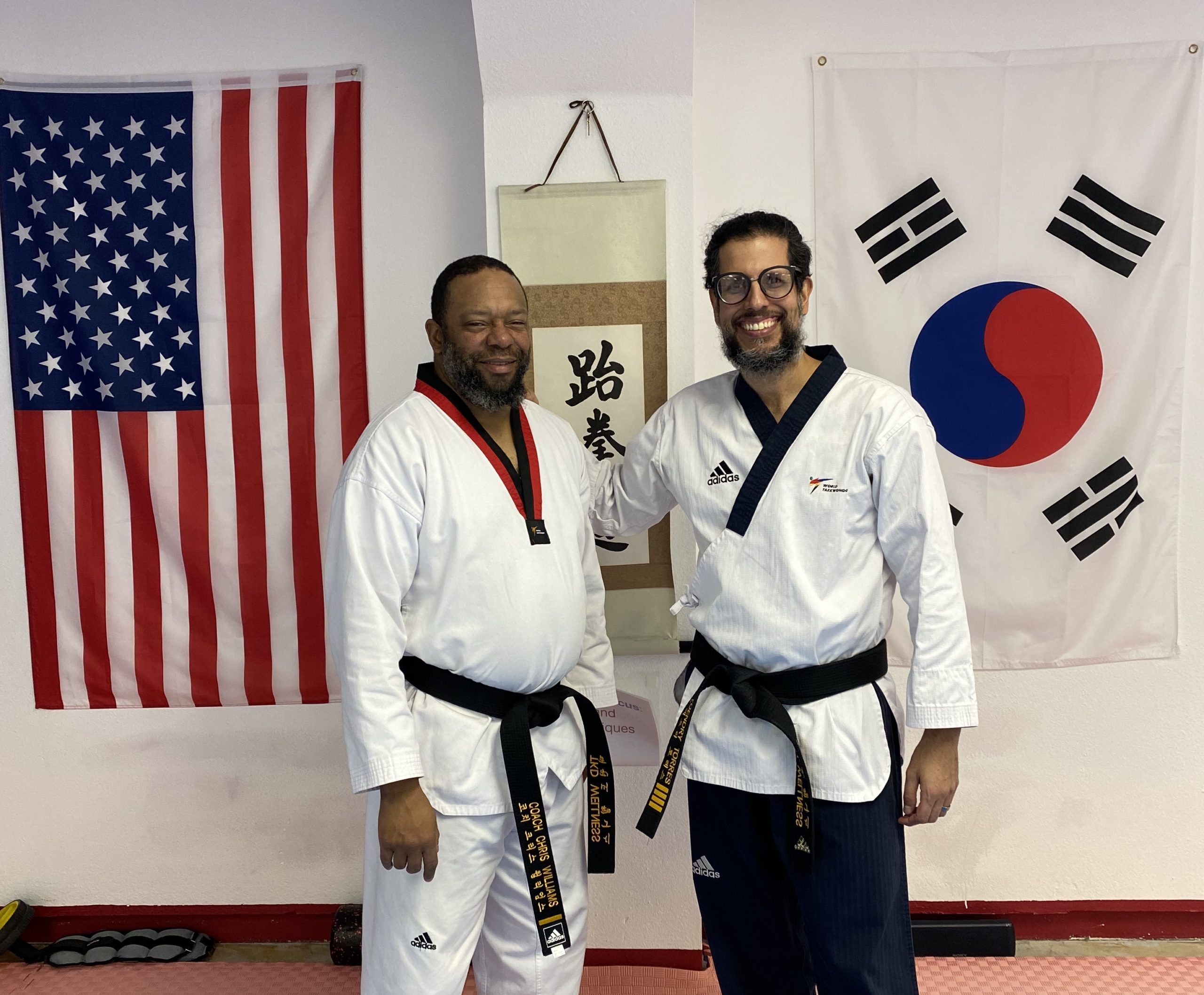
Written by ChatGPT & Reviewed by Clinical Psychologist & Head Coach: Yoendry Torres, Psy.D.




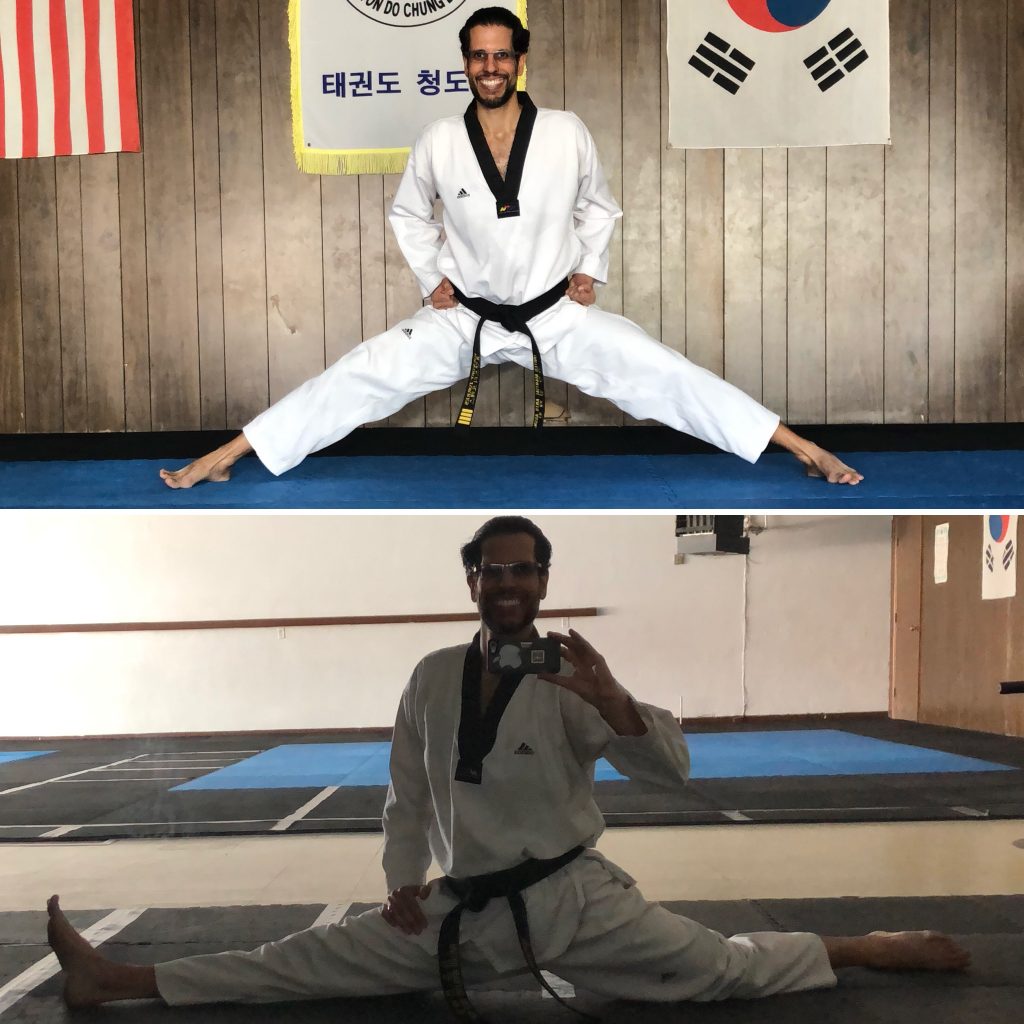 I know that I may be a bit late to the 2018 goal setting… but better late than never, right!